
Since 2000, the number of people living to 100 in the U.S. jumped over 40%. This increase sparks curiosity about how long we can live. Groundbreaking studies now show ways that might let us age differently and maybe hit 150.
Experts like Harvard’s Dr. David Sinclair think people now could live that long. They’re studying aging to figure out how. I’ll share the latest in anti-aging research, health technology leaps, and what living longer could mean for everyone. Let’s dive into this exciting area together.
Key Takeaways
- The number of centenarians has increased by over 40% since 2000.
- Scientific advancements may allow people to live up to 150 years.
- Dr. David Sinclair suggests that the current generation could reach this age.
- The future of aging involves understanding biological mechanisms.
- Healthtech innovations play a vital role in extending lifespan.
Understanding the Science Behind Aging
Aging is fascinating, especially when we look at DNA and epigenetics. These two factors intertwine in complex ways. They deeply influence how we age and the ways we might slow down the process.
The Role of DNA and Epigenetics
In the past, we blamed aging mainly on our DNA changing. These changes can mess up how cells work, leading to diseases as we get older. But, there’s a new way to look at it now.
It involves the epigenome, which helps control our genes. This layer of regulation might be even more crucial than DNA mutations. It shows us a new way to think about why we age.
Accumulated Mutations vs. Epigenetic Changes
The debate now is whether DNA mutations or epigenetic changes cause aging. Research says epigenetic shifts might play the bigger role. These shifts can mess up how our genes work, which affects our cells.
By studying the epigenome, scientists hope to find ways to reverse aging effects. This could mean new treatments for diseases like Alzheimer’s and heart issues. It’s a promising direction for making our later years healthier.
The Future of Aging: Breakthroughs in Anti-Aging Research
Recent progress in anti-aging research shows great promise for improving our lives and healthspan. A key focus is on resetting our biological clocks. This could change how we think about aging. Scientists are finding new ways to bring back youthfulness on a cellular level.
Resetting the Biological Clock
Leading researchers are exploring how changes in our genes can affect aging. For example, Sinclair’s work shows that tweaking gene expression can improve cell function. This can even reverse signs of aging. Techniques aimed at resetting the biological clock help our bodies act younger.
Longevity and Healthtech Advances
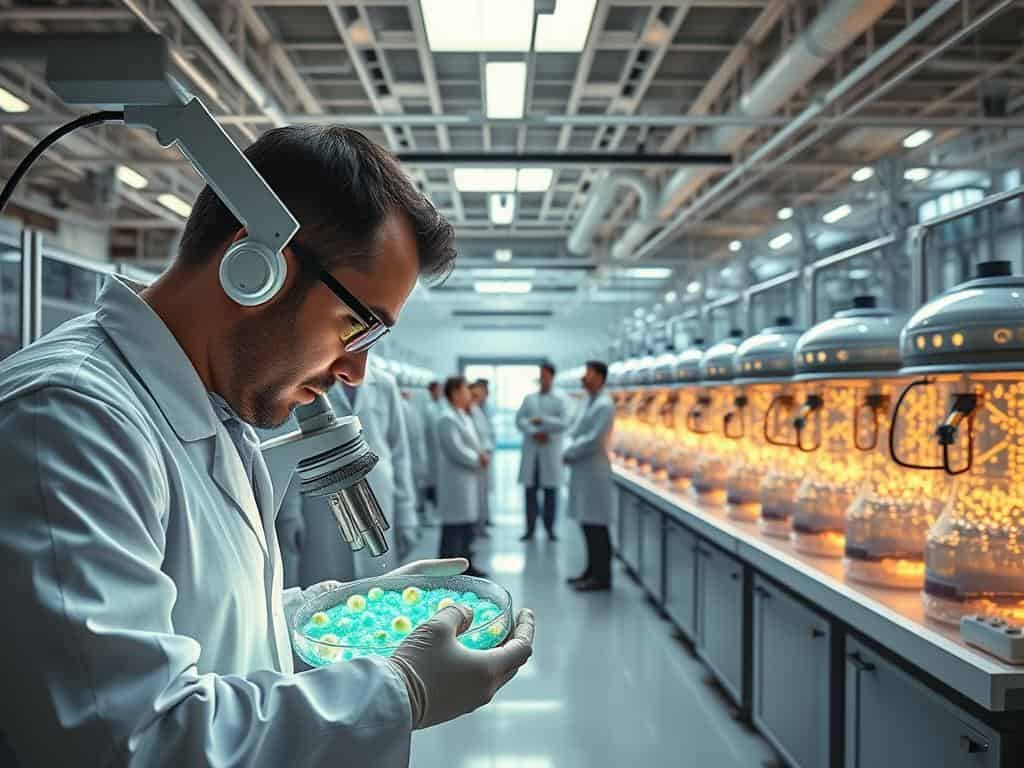
Big companies like Google and Medtronic are pouring funds into healthtech, combining it with science to extend lifespan. They aim to develop tools for early health issue detection, focusing on prevention. New drugs and methods, like senolytics and rapamycin, open doors to significant life extension. Artificial intelligence also plays a role in aging research, leading to major breakthroughs.
The mix of biology and technology gives us new insight into aging. It helps us manage aging better, offering a hopeful view of longer, healthier lives.
Challenges in Achieving a 150-Year Lifespan
Wanting to live up to 150 years brings big challenges. We must understand our body’s limits to aim for this goal. As we consider living longer, it’s clear that it’s not just about more years. We must also focus on having a good life during this time.
Biological Limits and Quality of Life
Studies show we have natural limits that cap our lifespan. This means that even with new science, getting older might still lower our strength. It’s possible to live longer, but living well as we age needs different efforts. Aiming for a long life means we have to find ways to stay healthy and happy, not just alive.
The Complexities of Aging Intervention
Trying to slow down aging is complex. New treatments look promising but come with risks, like possibly getting illnesses such as cancer. This shows the thin line between getting older and staying healthy. Plus, how we feel and our social life impact aging too. To age well, we need to look at both our bodies and our way of life, aiming for total health.
Conclusion
The future of aging is both a challenge and an opportunity. Scientific breakthroughs are unlocking new possibilities for extending our lives. By looking into DNA, epigenetics, and health technologies, we see that it’s not just about living longer. It’s also about improving the quality of those extra years.
Thinking about anti-aging research, we must be careful. The benefits of new health discoveries need to be balanced with their risks and effects on society. Science is thrilling, but it makes us think about the difference between living a longer life and living a healthier one.
My main goal is to make sure that any extra years we gain are full of life and joy. This view changes how we see aging. It turns the story from one of getting older into one of hope and more chances. Focusing on health instead of just longer life means we can enjoy our lives more, cherishing every moment as we age.
