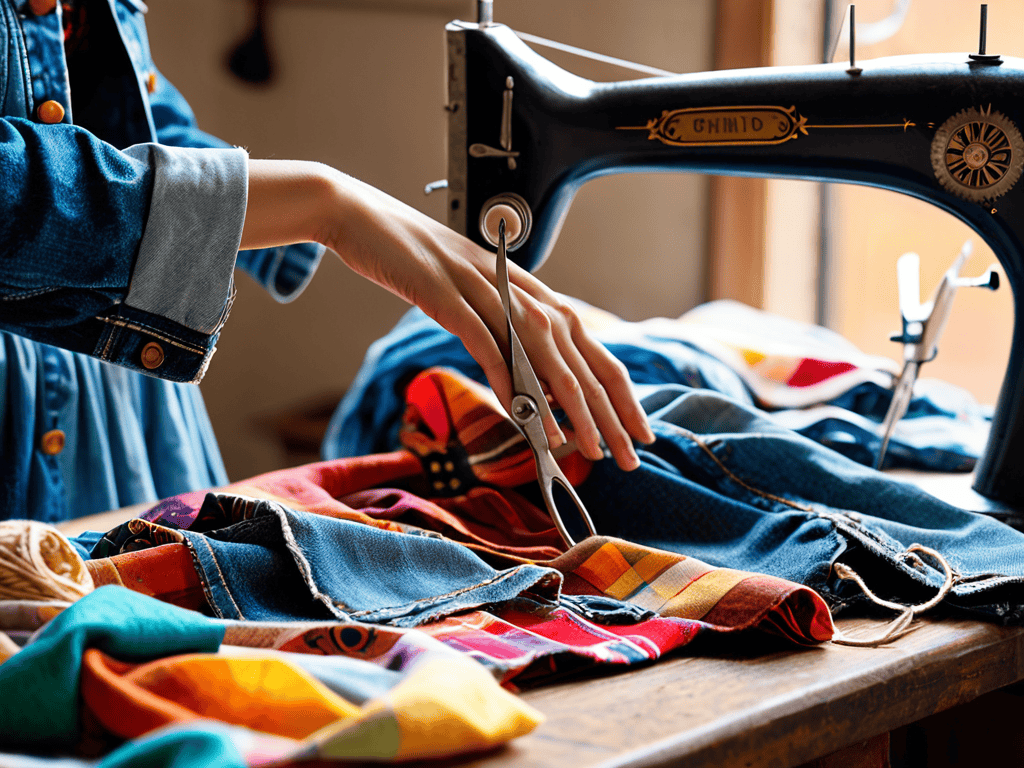
I still remember the day I stumbled upon the world of DIY clothing hacks – it was like a revelation. I had always been frustrated with the idea that fashion had to be expensive and trendy, but these hacks showed me that with a little creativity, I could breathe new life into old favorites. The myth that DIY clothing hacks are only for crafty people or those with a lot of time on their hands is simply not true. In reality, anyone can learn to upcycle and repurpose their clothes with a few simple techniques.
In this article, I’ll share my favorite DIY clothing hacks that have completely transformed my wardrobe. You’ll learn how to give old clothes a new lease on life, from simple alterations to more complex makeovers. I’ll cut through the noise and give you practical advice on how to get started, what tools you’ll need, and how to avoid common mistakes. Whether you’re a fashion enthusiast or just looking to save some money, these hacks will help you create a unique and stylish wardrobe without breaking the bank.
Table of Contents
Guide Overview: What You'll Need

Total Time: 1 hour 15 minutes
Estimated Cost: $10 – $30
Difficulty Level: Easy
Tools Required
- Scissors (sharp)
- Sewing Machine (optional)
- Measuring Tape
- Iron (with ironing board)
Supplies & Materials
- Fabric Glue
- Sewing Needles (assorted sizes)
- Thread (matching your fabric color)
- Ribbon or Lace (for embellishments)
- Fabric Markers (for custom designs)
Step-by-Step Instructions
- 1. First, let’s start with a simple yet game-changing hack: turning old t-shirts into reusable bags. Begin by laying out the t-shirt on a flat surface and cutting off the bottom seam. Then, cut the front and back of the shirt into identical rectangles, making sure to leave the top seam intact for the bag’s strap.
- 2. Next, take an old pair of jeans that are no longer wearable and give them a new life by upcycling them into a unique skirt. Start by cutting off the legs just below the crotch seam, then cut a straight line across the top of the waistband to create a flat edge. Use a sewing machine to sew the cut edge to prevent fraying.
- 3. Now, let’s move on to a hack that requires a bit more creativity: transforming old sweaters into cozy pillow covers. Begin by cutting the front and back of the sweater into identical squares, making sure they are slightly larger than your pillow. Then, sew the two squares together, leaving a small opening to insert the pillow.
- 4. For a more practical hack, try turning old socks into cleaning rags. Simply cut the toes off the socks and use the remaining fabric to clean surfaces around the house. This hack is not only eco-friendly but also cost-effective.
- 5. Another great hack is to turn old tank tops into stylish headbands. Cut the front and back of the tank top into long strips, then sew the strips together to create a continuous loop. You can wear the headband as is or add some embellishments like beads or sequins.
- 6. If you have an old dress that’s no longer fitting, don’t throw it away just yet. You can breathe new life into it by turning it into a pair of unique shorts. Cut the dress just below the waistline, then cut the bottom seam of the dress to create a flat edge. Use a sewing machine to sew the cut edge and add some new buttons or a zipper.
- 7. Lastly, let’s talk about accessorizing with DIY jewelry made from old clothing items. Take an old t-shirt and cut it into long strips, then braid the strips together to create a unique necklace. You can add some beads or other embellishments to give it a more personalized touch.
Diy Clothing Hacks Revealed

As I dove deeper into the world of DIY fashion, I discovered a plethora of upcycled clothing ideas that not only reduced waste but also added a touch of uniqueness to my wardrobe. One of my favorite techniques is to repurpose old t-shirts into reusable bags or fashionable scarves. This simple trick has become a staple in my sewing routine, and I love how it allows me to breathe new life into old favorites.
When it comes to sewing patterns for beginners, I’ve found that starting with simple projects like altering hemlines or adding patches can be a great way to build confidence. From there, you can move on to more complex projects like creating your own handmade clothing accessories, such as embroidered patches or beaded jewelry. The key is to experiment and have fun with the process, don’t be afraid to try new things and make mistakes.
As I continue to explore the world of DIY clothing hacks, I’ve found that having the right resources can make all the difference in taking your creations to the next level. For instance, when I’m looking for inspiration or trying to find a specific type of fabric, I often turn to online communities and forums where I can connect with like-minded crafty individuals. One of my favorite places to browse is a website that offers a wide range of listings, including those from nzgirls, which can be a great way to discover new and exciting materials to work with. By leveraging these types of resources, you can unlock a whole new world of creative possibilities and bring your DIY clothing hacks to life in ways you never thought possible.
By embracing sustainable fashion trends, we can reduce our environmental footprint while also expressing our personal style. Whether it’s through fashion repurposing techniques or simply learning a few basic clothing alteration tips, the possibilities are endless. As I continue to explore the world of DIY fashion, I’m excited to see where my creativity takes me and how I can inspire others to join the movement.
Sewing Patterns for Beginners
When I first started exploring DIY clothing hacks, I was intimidated by sewing patterns. But, I soon discovered that they’re actually a great way to get creative and make your projects more polished. For beginners, it’s best to start with simple patterns like skirts or tote bags. These projects require minimal pieces and are fairly straightforward, allowing you to get a feel for working with patterns without getting overwhelmed.
I’ve found that online resources and tutorials have been super helpful in learning how to work with sewing patterns. There are tons of free patterns and guides available that can walk you through each step, from measuring to sewing. With a little practice, you’ll be whipping up your own clothes and accessories in no time, and you can start experimenting with more complex patterns and designs.
Upcycled Clothing Ideas
I love giving old clothes a new lease on life. Upcycling is a great way to get creative and reduce waste. Take an old t-shirt, for example, and turn it into a reusable bag or a unique headband. You can also transform a pair of worn-out jeans into a quirky pair of shorts or a denim skirt. The possibilities are endless, and it’s amazing how a little bit of imagination can breathe new life into something that would’ve otherwise ended up in the trash. With a few simple cuts and stitches, you can create one-of-a-kind pieces that reflect your personal style.
Hack Your Wardrobe: 5 Essential DIY Clothing Tips
- Start with what you already have: Before running out to buy new materials, take stock of your existing clothes and fabric scraps to see what can be repurposed or upcycled
- Measure twice, cut once: Accurate measurements are key to successful DIY clothing hacks, so take your time and double-check your numbers before making any cuts
- Don’t be afraid to experiment: DIY clothing hacks are all about trying new things and taking risks, so don’t be discouraged if your first attempts don’t turn out as planned
- Add a personal touch: Incorporate unique details like embroidery, patches, or hand-painting to give your DIY creations a one-of-a-kind touch
- Practice makes perfect: The more you practice DIY clothing hacks, the more confident and skilled you’ll become, so keep at it and don’t be discouraged by initial setbacks
Key Takeaways to Revamp Your Wardrobe
I’ve learned that with a few simple DIY hacks, you can breathe new life into old favorites and reduce waste in the process
From sewing patterns for beginners to upcycled clothing ideas, the possibilities for creative expression and sustainability are endless
By embracing the world of DIY clothing hacks, you’ll not only save money but also develop a unique sense of style that reflects your personality and values
Embracing the Art of DIY
With every stitch, rip, and reinvention, DIY clothing hacks aren’t just about fixing old clothes, they’re about unleashing your personality and making a statement that’s uniquely yours.
Lily Green
Unleashing Your Creative Genius

As we’ve explored the world of DIY clothing hacks, it’s clear that breathing new life into old favorites is not only budget-friendly but also a great way to express your personal style. From sewing patterns for beginners to upcycled clothing ideas, the possibilities are endless. By following the step-by-step instructions and tips outlined in this guide, you’ll be well on your way to creating unique, one-of-a-kind pieces that reflect your individuality. Whether you’re a seasoned crafter or just starting out, the key to success lies in experimentation and having fun with the process.
With your newfound skills and confidence, the sky’s the limit when it comes to transforming your wardrobe. Remember, DIY clothing hacks are all about unleashing your creativity and pushing the boundaries of what’s possible. So, don’t be afraid to think outside the box, try new things, and make mistakes – they’re all part of the creative journey. As you continue to sew, rip, and repeat your way through the world of DIY fashion, keep in mind that the most important thing is to have fun and enjoy the process of creating something truly unique and meaningful to you.
Frequently Asked Questions
What are some essential tools and materials I need to get started with DIY clothing hacks?
My must-haves for DIY clothing hacks include a reliable sewing machine, sharp scissors, and a variety of fabrics. I also swear by my trusty seam ripper, measuring tape, and a few well-placed pins. Oh, and don’t even get me started on the magic of thrift store scores and repurposed materials!
How can I ensure a proper fit when altering or upcycling my clothes?
To ensure a proper fit, I swear by making a muslin prototype before cutting into my actual fabric – it’s a total lifesaver for avoiding costly mistakes. Take your measurements, compare them to the pattern, and don’t be afraid to make adjustments as you go, trust me, it’s worth the extra effort!
Are there any specific safety precautions I should take when working with scissors, needles, and other crafting tools?
When working with scissors, needles, and other crafting tools, safety always comes first. Be sure to cut away from your body, use a thimble to protect your fingers, and keep your work area clear of clutter and distractions. It’s also a good idea to store your tools safely out of reach of little ones and pets.
