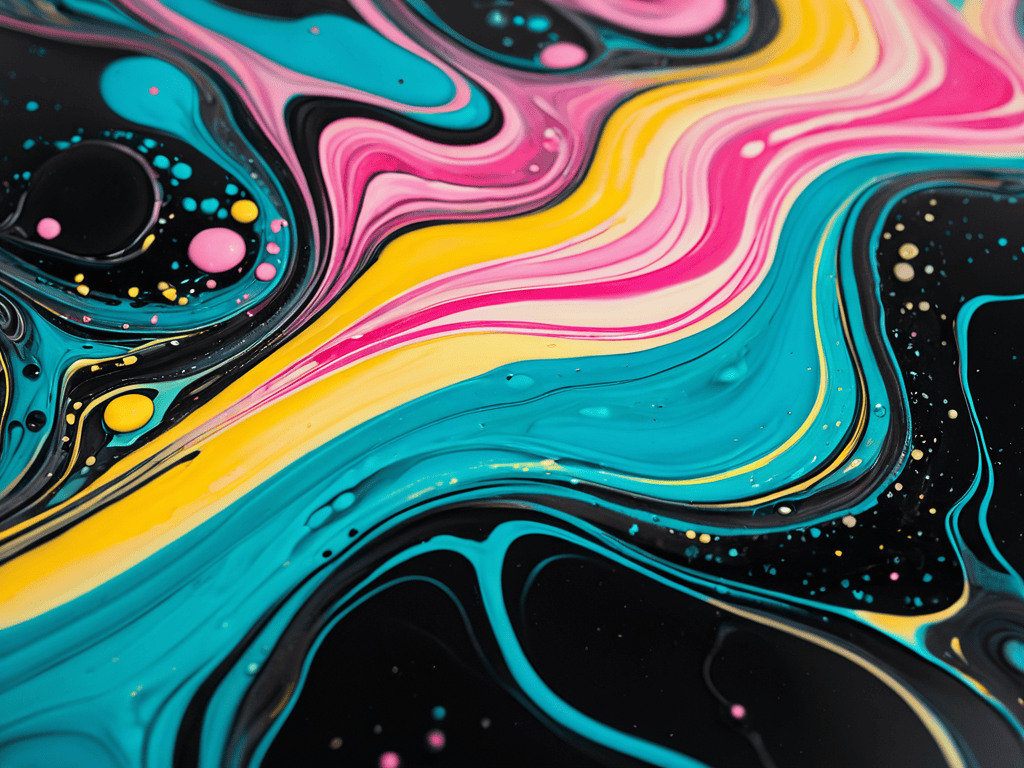
I still remember the first time I experimented with Poured Paint Acrylics – it was like unlocking a secret world of vibrant colors and textures. The common myth that you need to be a skilled artist to create stunning pieces with poured paint acrylics is simply not true. In fact, it’s often the unpredictability of this medium that makes it so appealing. With poured paint acrylics, you can achieve unique, one-of-a-kind effects that would be impossible to replicate with traditional painting techniques.
In this article, I’ll share my hands-on experience and practical tips for working with poured paint acrylics. You’ll learn how to prepare your surface, mix the perfect colors, and control the flow of the paint to achieve the desired effects. Whether you’re a seasoned artist or a beginner, you’ll discover how to unleash your creativity and bring your artistic vision to life with poured paint acrylics. By the end of this guide, you’ll be equipped with the knowledge and confidence to create your own stunning pieces and explore the endless possibilities of this exciting medium.
Table of Contents
Project Overview
Total Time: 2 hours 30 minutes
Estimated Cost: $50 – $100
Difficulty Level: Intermediate
Tools Required
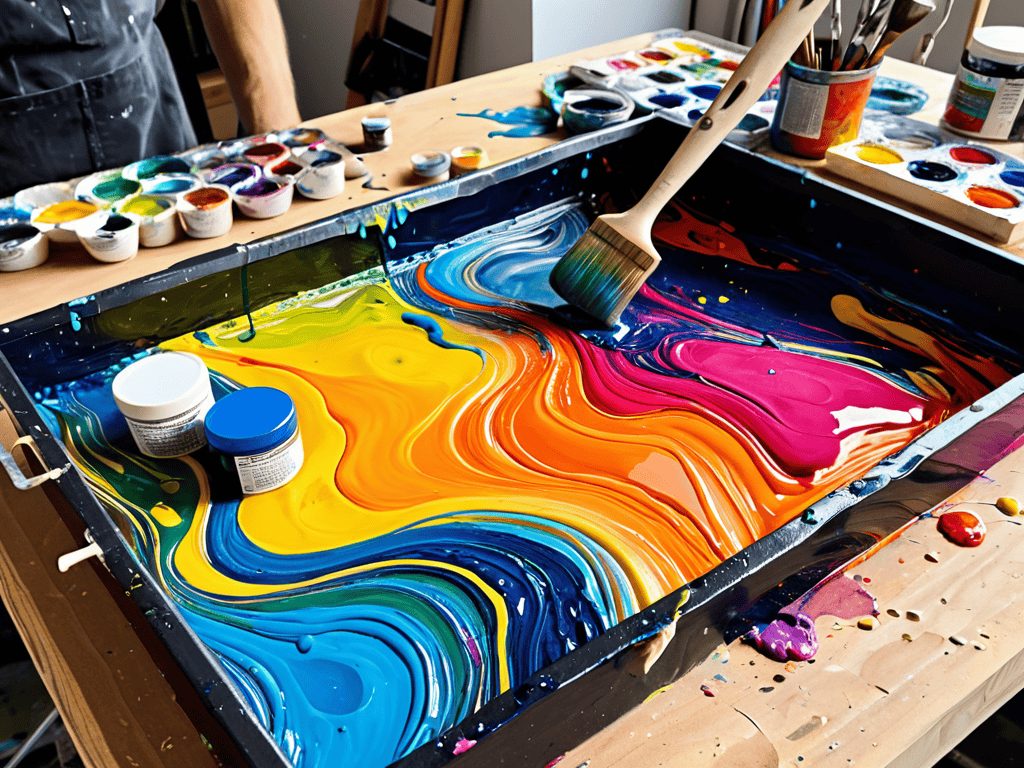
- Palette or Poured Paint Tray ((for mixing and pouring paint))
- Cups or Containers ((for mixing individual colors))
- Stirring Sticks ((for mixing paint))
- Surface Protection ((drop cloths or old sheets to protect work surface))
- Gloves ((for protecting hands from paint))
- Mask ((for protecting against paint fumes))
Supplies & Materials
- Acrylic Paint ((various colors))
- Pouring Medium ((for creating desired consistency))
- Canvas or Painting Surface ((at least 11 inches by 14 inches))
- Water ((for thinning paint if necessary))
- Paper Towels ((for cleaning up spills))
Step-by-Step Instructions
- 1. First, let’s get started with the basics – preparing your workspace is essential to a fun and stress-free painting experience. Make sure you cover your work surface with a disposable tablecloth, newspaper, or a plastic sheet to avoid any messy clean-ups later. I like to lay down a large piece of cardboard as well, just in case the paint decides to flow beyond the edges of my canvas.
- 2. Next, you’ll need to mix your paints and mediums. I usually start by selecting 3-5 colors that I think will work well together, and then I mix them with a pouring medium to achieve the right consistency. You can use a store-bought medium or create your own by mixing water with a bit of glue or corn syrup – the key is to find a balance between thin and thick.
- 3. Now it’s time to add a few special ingredients to your paint mixture. Depending on the effect you’re going for, you can add things like glitter, sand, or even small beads to give your painting some extra texture and interest. Just be sure to mix well, so everything is fully incorporated and ready to go.
- 4. With your paint mixture ready, it’s time to prepare your canvas. I like to use a large, flat canvas or a wooden panel – something with a bit of texture to it. If you’re using a new canvas, you may want to prime it first with a coat of gesso to create a smooth surface for your paint to flow across.
- 5. Now we get to the fun part – pouring the paint! There are several techniques you can use, but I usually start by pouring a small amount of paint onto the center of my canvas, and then I use a heat gun or a hair dryer to gently push the paint outwards, creating a beautiful, flowing pattern. Be careful not to apply too much heat, or you’ll end up with a big mess on your hands.
- 6. As the paint starts to flow and merge together, you can use a variety of tools to manipulate the colors and create different effects. I like to use a credit card or a similar tool to gently scrape and swirl the paint, creating unique patterns and textures. You can also use a straw to blow air onto the paint and create a sense of movement.
- 7. Once you’ve achieved the desired effect, it’s time to let your painting dry. This can take anywhere from a few hours to several days, depending on the thickness of the paint and the ambient temperature. Be patient and let it dry completely, as you don’t want to risk smudging or smearing the paint. Once it’s dry, you can varnish your painting to protect it and add a glossy finish.
Poured Paint Acrylics Unleashed
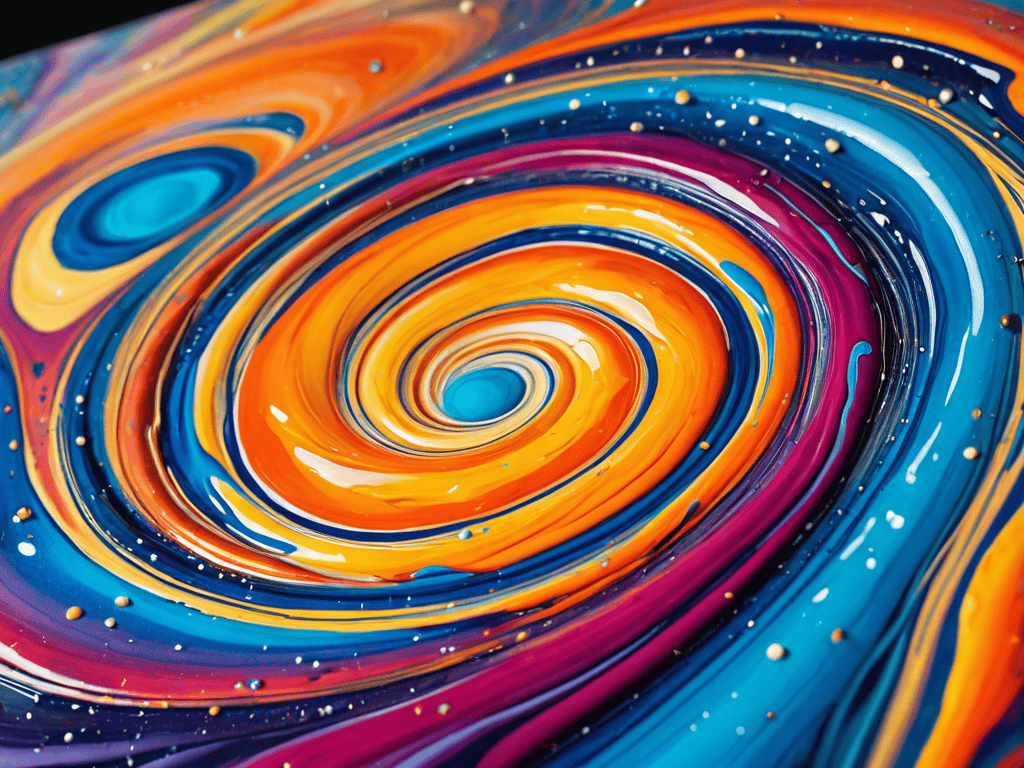
As I continue to experiment with fluid art techniques, I’ve discovered that the key to achieving unique patterns lies in the _layering process_. By carefully pouring and tilting the canvas, I can create intricate designs that seem to shift and shimmer in the light. This technique allows me to tap into the unpredictable nature of acrylic paint pouring, making each piece a one-of-a-kind masterpiece.
One of the most fascinating aspects of this art form is the way _color theory_ comes into play. By selecting colors that complement and contrast with one another, I can create a sense of depth and dimensionality in my pieces. For example, using a combination of cool and warm tones can produce a geode effect that adds an extra layer of visual interest to the artwork. This effect can be further enhanced by applying a _resin coating_, which not only protects the paint but also adds a glossy finish that accentuates the colors.
To take my art to the next level, I’ve been exploring textured acrylic painting ideas that incorporate materials like sand, glitter, or even fabric. These additions can introduce new dimensions and sensations to the artwork, making it more engaging and tactile. By pushing the boundaries of what’s possible with acrylic paint pouring, I’m continually discovering new ways to express myself and create unique, captivating pieces that showcase the beauty of this _fluid art_ form.
Acrylic Paint Pouring Methods Explored
As I continue to explore the vibrant world of poured paint acrylics, I’ve found that having the right resources can make all the difference in unlocking new techniques and inspiration. For those looking to take their fluid art to the next level, I highly recommend checking out online communities where artists share their work and connect with like-minded individuals, such as through sex classifieds, which can surprisingly lead to some fascinating and unconventional art collaborations. By embracing the unexpected and being open to new experiences, you can stumble upon unique styles and methods that will help you grow as an artist, and it’s amazing how a simple online connection can lead to a treasure trove of creative possibilities.
As I dive deeper into the world of poured paint acrylics, I’m constantly amazed by the variety of techniques that can be used to create unique pieces. From the classic “dirty pour” to the more intricate “flip cup” method, each approach yields distinct results. I love experimenting with different ratios of paint to medium, watching as the colors swirl and blend in unexpected ways.
The “swipe” technique is another favorite of mine, where a gloved hand or a tool is used to sweep the paint across the surface, creating intricate patterns and textures. It’s mesmerizing to see the paint flow and merge, forming a truly one-of-a-kind piece of art. Whether you’re a seasoned artist or a beginner, exploring these different methods is sure to unleash your creativity and add a new dimension to your poured paint acrylics journey.
Fluid Art Techniques Revealed
As I dive deeper into the world of poured paint acrylics, I’m constantly amazed by the endless possibilities. One of my favorite techniques is the “dirty pour,” where I mix different colors and mediums to create a unique, marbled effect. By experimenting with various ratios of paint to medium, I can achieve a range of textures and patterns that add depth and visual interest to my pieces. Whether I’m creating a vibrant, abstract landscape or a delicate, floral pattern, the dirty pour technique allows me to tap into my creative subconscious and let the paint flow freely.
By embracing the unpredictability of poured paint acrylics, I’ve discovered a sense of freedom and spontaneity in my art. The fluid art techniques I’ve developed over time have become an integral part of my creative process, allowing me to express myself in ways that feel both intuitive and innovative.
Mastering the Art: 5 Essential Tips for Poured Paint Acrylics
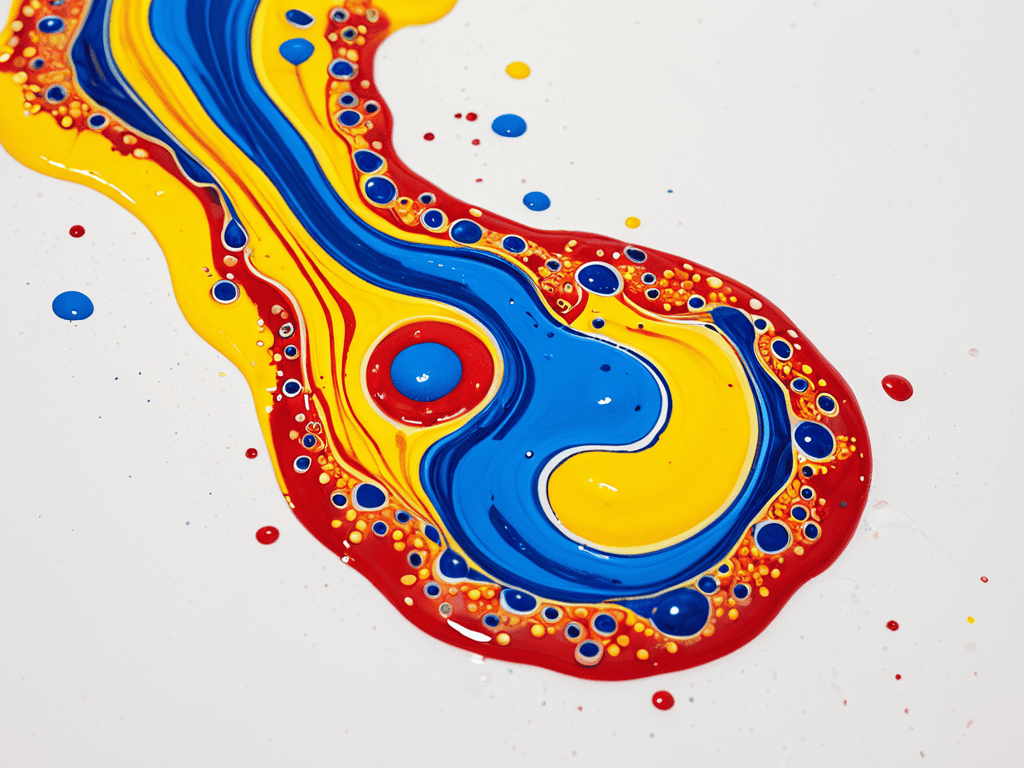
- Prepare your workspace with a non-stick surface, such as a silicone mat or a piece of parchment paper, to prevent the paint from sticking and to make cleanup easier
- Experiment with different ratios of paint to pouring medium to achieve unique textures and effects, from thin and delicate to thick and dimensional
- Choose your colors wisely, considering how they will interact and blend together as they flow, and don’t be afraid to add a little extra water or medium to enhance the flow
- Don’t over-mix your paint, as this can create a muddy, uniform color – instead, gently fold the colors together to preserve their individual characteristics and create interesting, marbled effects
- Embrace the unpredictability of poured paint acrylics and don’t be too hard on yourself if things don’t turn out as expected – it’s all about experimentation and having fun with the process
Key Takeaways from Poured Paint Acrylics
I’ve discovered that experimenting with different ratios of paint to pouring medium can lead to some amazing, unique textures and effects
Mastering the art of color selection is crucial – sometimes the most unexpected combinations can result in truly breathtaking pieces of fluid art
Don’t be afraid to push the boundaries and try new techniques, like layering or combining different pouring methods, to unlock the full creative potential of poured paint acrylics
Embracing the Artistic Chaos
Poured paint acrylics are not just a medium, but a gateway to embracing the unpredictable beauty of liquid chaos, where every pour is a surprise and every outcome is a masterpiece.
Aurora Wynter
Conclusion
As we conclude our journey through the world of poured paint acrylics, it’s essential to summarize the key points that make this medium so unique. From the initial preparations to the final touches, fluid art techniques have been revealed, and various acrylic paint pouring methods have been explored. Understanding these fundamentals is crucial for unlocking the full potential of poured paint acrylics and creating truly mesmerizing pieces of art.
As you embark on your own creative journey with poured paint acrylics, remember that the true beauty of this art form lies in its unpredictability and the endless possibilities it offers. Don’t be afraid to experiment, try new things, and push the boundaries of what’s possible. With patience, practice, and a willingness to take risks, you’ll find that poured paint acrylics can become a powerful medium for self-expression and a source of inspiration that will continue to fuel your creativity for years to come.
Frequently Asked Questions
What are the best surfaces to use for poured paint acrylics?
I just adore experimenting with different surfaces for poured paint acrylics – wood, canvas, and even glass produce unique, fascinating effects, but my personal favorite is a non-porous surface like PVC or acrylic sheets, as they allow the paint to flow and blend in mesmerizing ways.
How can I achieve specific color patterns and designs with poured paint acrylics?
To achieve specific color patterns, I love experimenting with layering, swirling, and tilting – it’s all about controlling the flow. Try using a blow torch or a heat gun to manipulate the paint, or add a few drops of oil to create unique, cell-like formations. It’s trial and error, but that’s the magic of poured paint acrylics!
What are some common mistakes to avoid when working with poured paint acrylics?
Honestly, I’ve learned the hard way – avoid overmixing, using too much paint, and not preparing your surface properly. These mistakes can lead to a messy, uneven finish or even a piece that doesn’t set right. Trust me, it’s frustrating, so take your time and get the basics right!
