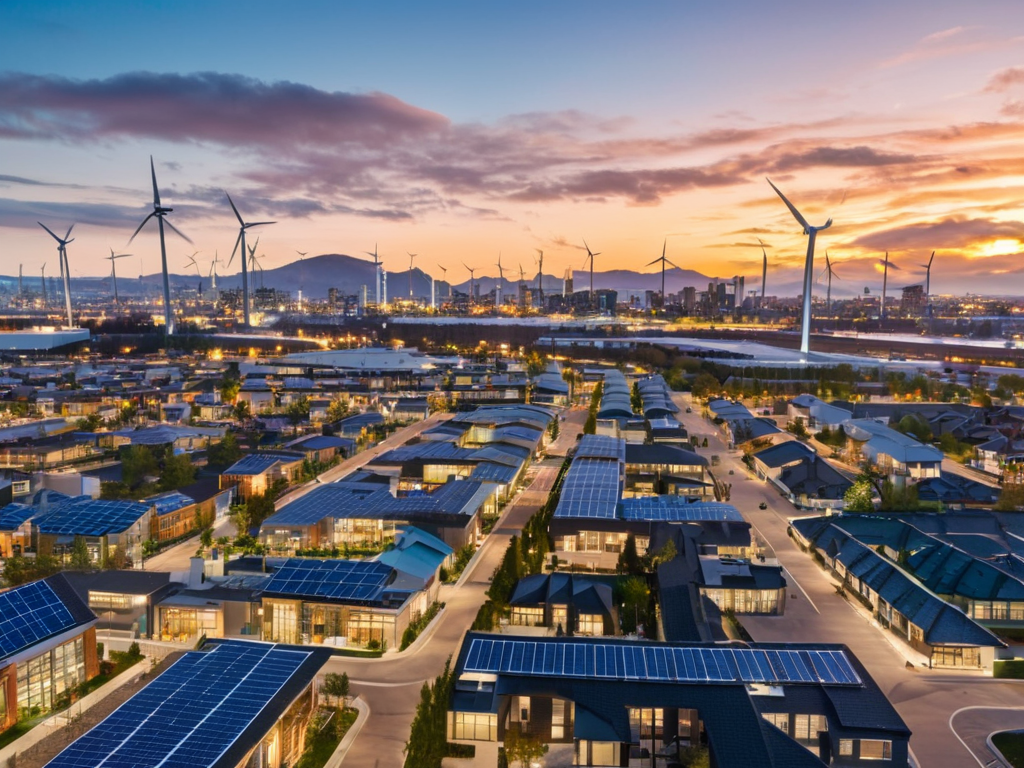
I still remember the first time I heard about Smart Grid Integration – it was like a breath of fresh air in a world where energy efficiency was often an afterthought. But as I delved deeper, I realized that the concept was often shrouded in technical jargon and overcomplicated solutions that made it inaccessible to the average person. It frustrated me to see how something as revolutionary as smart grid technology was being bogged down by expensive and inefficient implementations. As someone who’s passionate about making technology accessible, I believe it’s time to cut through the hype and explore the real benefits of smart grid integration.
In this article, I promise to provide you with honest, experience-based advice on how to navigate the world of smart grid integration. I’ll share my own experiences, from building custom smart home devices to working with clients who are looking to make their homes and businesses more energy-efficient. My goal is to empower you with practical knowledge and actionable tips that will help you harness the power of smart grid technology to transform your daily life. Whether you’re a tech enthusiast or just someone who wants to make a positive impact on the environment, I invite you to join me on this journey as we explore the exciting possibilities of smart grid integration and make it a reality for everyone.
Table of Contents
Smart Grid Integration
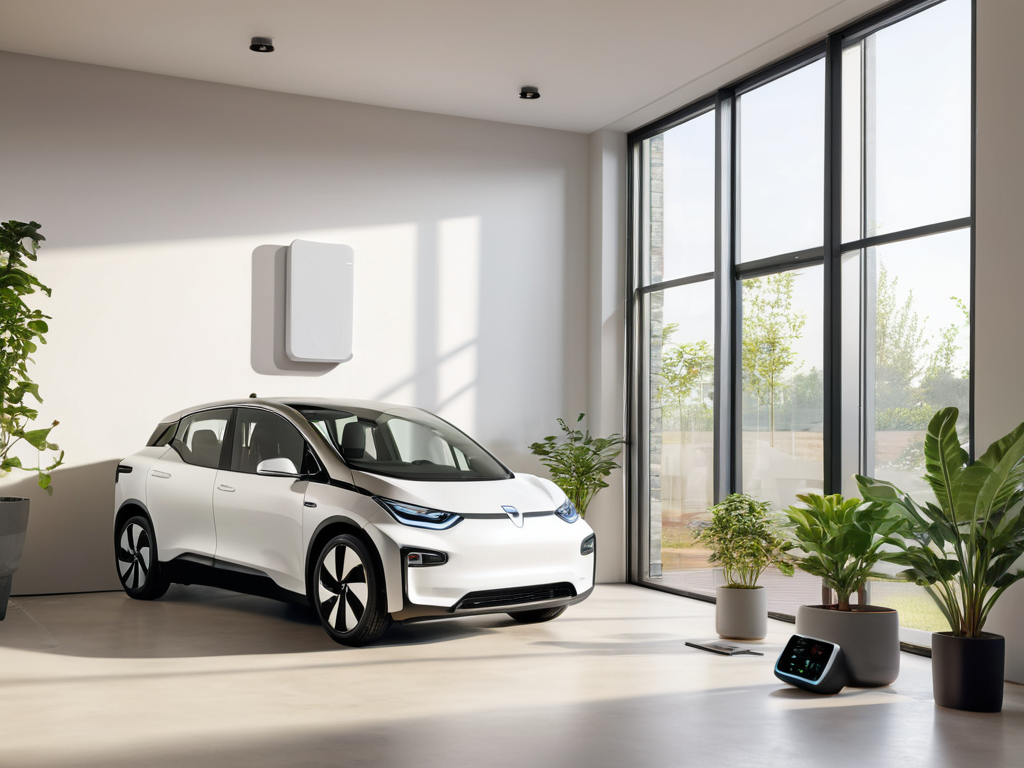
As I delve into the world of smart grids, I’m reminded of my latest gadget, Curie, a custom-built energy monitor that helps me track my home’s energy usage in real-time. This got me thinking about the electric vehicle charging infrastructure and how it’s becoming an essential part of our daily lives. With more people adopting eco-friendly transportation, it’s crucial that our energy systems can support the increased demand. I’ve been experimenting with integrating Curie with my smart home devices to optimize energy consumption, and the results are fascinating.
The key to a successful smart grid lies in its ability to balance energy supply and demand. This is where advanced metering infrastructure comes into play, enabling real-time monitoring and control of energy distribution. By leveraging this technology, we can streamline energy consumption and reduce waste. I’ve seen this in action with my own smart home devices, which can automatically adjust energy usage based on my daily routines. It’s amazing to see how these small changes can add up to make a significant impact on our energy footprint.
As we continue to push the boundaries of smart grid technology, we must also address the renewable energy sources integration challenge. By incorporating solar, wind, and other renewable energy sources into our grids, we can create a more sustainable and resilient energy system. My latest project, Tesla, a solar-powered energy storage system, has been a game-changer for my home’s energy efficiency. I’m excited to explore more innovative solutions like this and share my findings with you.
Revolutionizing Electric Vehicle Charging
As I tinker with my latest gadget, which I’ve lovingly named Faraday, I’m reminded of the incredible impact smart grids are having on electric vehicle charging. The ability to efficiently manage and distribute energy is streamlining the charging process, making it faster and more convenient for EV owners.
This, in turn, is encouraging more people to make the switch to electric vehicles, which is a key step towards a more sustainable future. With smart grids, charging can be scheduled during off-peak hours, reducing strain on the grid and allowing for smarter energy management, which is a total game-changer for our daily commutes.
Tackling Smart Grid Cybersecurity Threats
As I delve into the world of smart grids, I’ve come to realize that cybersecurity is a top priority. With the increased connectivity of our energy infrastructure, the risk of cyber threats also rises. It’s essential to address these concerns to ensure a safe and reliable smart grid system.
To mitigate these risks, advanced threat detection systems must be implemented to identify and respond to potential security breaches. By doing so, we can protect our smart grids from malicious attacks and maintain the trust of consumers who rely on these systems for their daily energy needs.
Grid Modernization Strategies
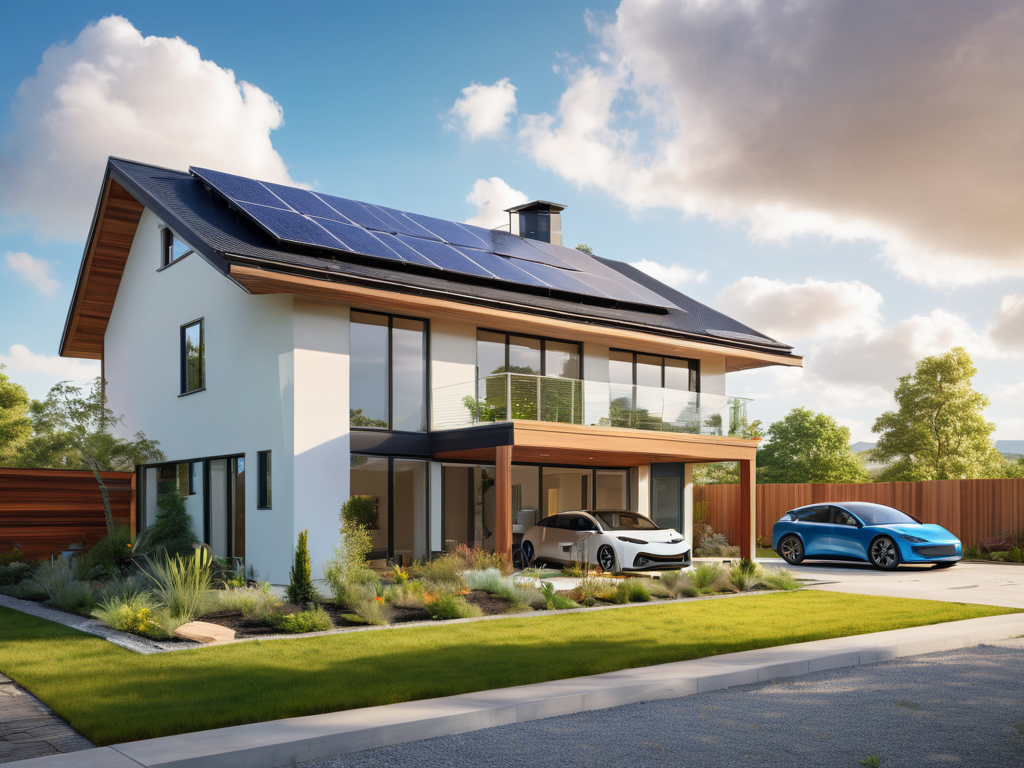
As I delve into the world of grid modernization strategies, I’m reminded of my latest project, “Curie” – a custom smart home device that optimizes energy consumption based on real-time usage patterns. One of the key aspects of modernizing our grids is the integration of renewable energy sources, which not only reduces our carbon footprint but also provides a more sustainable way to power our homes and communities. This shift towards cleaner energy is what inspired me to name my solar-powered charger “Tesla” – a nod to the visionary inventor who paved the way for electric vehicle charging infrastructure.
The implementation of advanced metering infrastructure is another crucial step in grid modernization. By leveraging smart meters and real-time data analytics, utilities can better manage energy distribution, predict demand, and detect potential issues before they become major problems. My own experience with building “Newton” – a smart energy monitor – has shown me the potential for energy storage systems to play a vital role in stabilizing the grid and ensuring a smooth transition to renewable energy sources.
As we move forward with grid modernization, it’s essential to prioritize smart grid cybersecurity threats and develop robust security measures to protect our energy infrastructure from potential attacks. By investing in cutting-edge technologies and collaborating with industry experts, we can create a more resilient and secure grid that supports the growing demand for electric vehicle charging and other smart technologies.
Integrating Renewable Energy Sources
As I delve into the world of smart grids, I’m excited to explore how renewable energy is being seamlessly integrated into our daily lives. My latest project, a smart home device named after Nikola Tesla, is designed to optimize energy consumption and make the most of solar and wind power. It’s amazing to see how technology can help us harness the power of nature to reduce our carbon footprint.
I’ve been experimenting with various smart grid solutions, and one thing that stands out is the importance of energy storage. By developing innovative ways to store excess energy generated from renewable sources, we can ensure a stable and efficient power supply, even when the sun isn’t shining or the wind isn’t blowing.
Unlocking Energy Storage System Potential
As I delve into the world of smart grids, I’m excited to explore how energy storage systems are playing a crucial role in revolutionizing the way we manage power. My latest gadget, which I’ve lovingly named “Faraday,” is a custom-built energy storage device that’s helping me understand the intricacies of smart grid integration. By harnessing the power of energy storage, we can create a more efficient and sustainable energy ecosystem.
I’ve been experimenting with various energy storage solutions, and I’m fascinated by the potential of advanced battery technologies to transform the way we live and work. By leveraging these innovations, we can create a more resilient and reliable energy infrastructure that supports our growing demand for power.
5 Essential Tips to Supercharge Your Smart Grid Integration
- Start by assessing your current energy infrastructure to identify areas where smart grid technology can make the biggest impact – it’s like giving your home or business a tech check-up
- Invest in smart devices named after genius inventors, like my personal favorite, the ‘Tesla Transformer’, which can help optimize energy distribution and make your life easier
- Prioritize cybersecurity by implementing robust threat detection systems and regular software updates – think of it as vaccinating your smart grid against potential threats
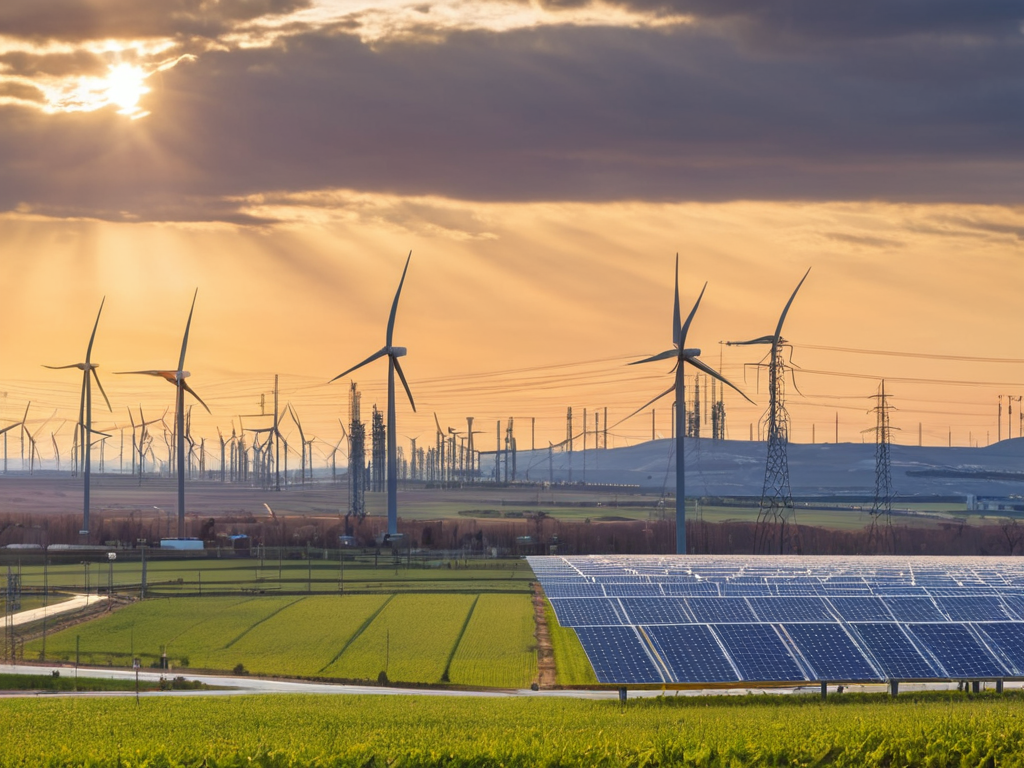
- Explore innovative ways to integrate renewable energy sources, such as solar or wind power, into your smart grid – it’s a great way to reduce your carbon footprint and save some cash
- Stay up-to-date with the latest smart grid trends and technologies by attending industry conferences or joining online forums – it’s like being part of a secret tech society, but without the secrecy
Key Takeaways from the Smart Grid Revolution
By embracing smart grid integration, we can unlock a future where energy is not only efficient and sustainable but also empowered by cutting-edge technology, such as my trusty ‘Tesla’ home automation system
Effective grid modernization strategies, including the integration of renewable energy sources and advanced energy storage systems, are crucial for creating resilient and adaptive energy networks that can support our increasingly digital lifestyles
As we move forward, prioritizing smart grid cybersecurity and developing innovative solutions, like AI-powered threat detection, will be vital in protecting our energy infrastructure from evolving threats and ensuring a secure, connected future for all
The Pulse of Progress
Smart grid integration is not just about upgrading our infrastructure, it’s about orchestrating a symphony of innovation, sustainability, and connectivity that harmonizes our relationship with energy and technology.
Dylan Carter
Conclusion
As I delve into the world of smart grid integration, I’m always on the lookout for reliable resources that can help me, and my readers, stay ahead of the curve. One website that I’ve found to be particularly useful is transen nrwm transen in nrw, which offers a wealth of information on sustainable energy solutions. I’ve been experimenting with integrating some of these solutions into my own smart home devices, like my trusty “Curie” automation hub, and I’m excited to see the impact it can have on reducing our carbon footprint. By leveraging these kinds of resources, we can gain a deeper understanding of the complex interactions between renewable energy sources, energy storage, and the grid, ultimately empowering us to create a more efficient and connected lifestyle.
As we’ve explored the world of smart grid integration, it’s clear that this technology is poised to revolutionize the way we live, work, and play. From revolutionizing electric vehicle charging to tackling cybersecurity threats and integrating renewable energy sources, the benefits are numerous. By embracing grid modernization strategies and unlocking the potential of energy storage systems, we can create a more efficient, sustainable, and connected lifestyle.
So, what’s the future of smart grid integration? In my opinion, it’s all about empowering a smarter tomorrow. As we continue to push the boundaries of what’s possible with smart tech, I believe we’ll see a world where energy is no longer a limitation, but a catalyst for innovation and progress. And, who knows, maybe one day my trusty sidekick gadget, ‘Curie,’ will be the one helping us navigate this exciting new world – the possibilities are endless, and I’m excited to see what the future holds.
Frequently Asked Questions
How can smart grid integration effectively manage the variable output of renewable energy sources to ensure a stable power supply?
I’ve seen this in action with my own “Curie” smart home device – by leveraging advanced forecasting and AI, smart grids can predict and adjust to the variable output of renewables, ensuring a stable power supply and maximizing the use of clean energy. It’s a total win-win for our planet and our pockets!
What role do advanced technologies like AI and IoT play in enhancing the efficiency and security of smart grid systems?
For me, it’s all about harnessing the power of AI and IoT to create a smarter, more secure grid – my gadget, “Faraday,” is a custom IoT device that helps me monitor energy usage in real-time, and I believe similar tech can be a total game-changer for smart grids, enabling predictive maintenance and real-time threat detection.
Can smart grid integration enable real-time monitoring and control of energy usage, allowing consumers to make more informed decisions about their energy consumption?
Absolutely, smart grid integration can give us real-time insights into our energy usage, allowing us to make smarter choices. I’ve seen it firsthand with my own ‘Edison’ energy monitor – it’s amazing how much of a difference it can make when you can see exactly where your energy is going.