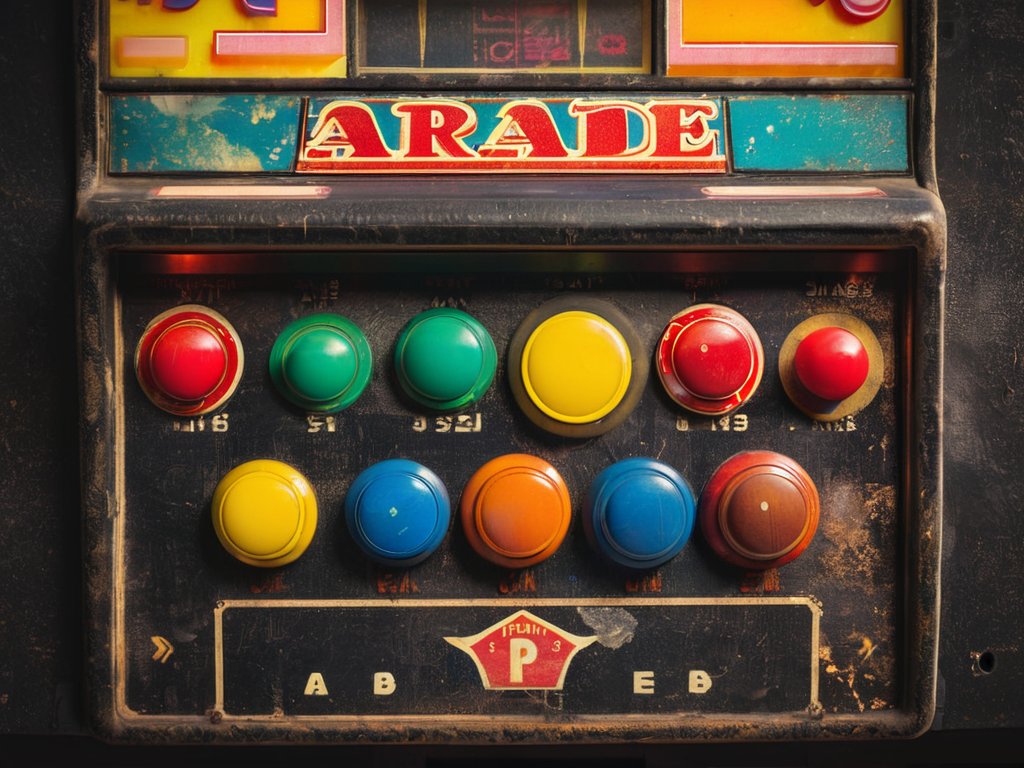
I still remember the first time I saw retro game inspired UI elements being used in a modern design project – it was like a blast from the past. The pixel art and 8-bit sound effects brought back memories of spending hours playing classic video games in my childhood. However, as I delved deeper into the design world, I started to notice that many people were using these elements without truly understanding their significance or impact on the user experience. It’s frustrating to see overcomplicated designs that try to force a retro aesthetic without considering the overall usability of the interface.
In this article, I promise to cut through the hype and provide you with honest advice on how to effectively incorporate retro game inspired UI elements into your designs. I’ll share my personal experiences and insights on what works and what doesn’t, and provide you with actionable tips to help you create interfaces that are both visually appealing and user-friendly. My goal is to help you level up your design game and create something truly unique and engaging, rather than just following the latest trends.
Table of Contents
Retro Revival Ui

The resurgence of vintage video game graphics in modern design is a fascinating phenomenon. It’s as if designers are digging through old arcade games and pulling out the most iconic elements to incorporate into their work. This retro revival is not just about nostalgia; it’s about creating a unique visual identity that sets products apart. By embracing the aesthetic of old-school games, designers can add a touch of playfulness and whimsy to their creations.
One of the key aspects of retro game design is the use of color palettes for retro games. These bold, bright hues can add a lot of personality to a product, and when used correctly, can be incredibly effective. For example, a mobile game that incorporates a retro color scheme can instantly evoke feelings of nostalgia and familiarity. This can be particularly useful for ui design for mobile games, where the goal is to create an immersive and engaging experience.
When it comes to creating pixel perfect icons, designers must pay close attention to detail. The use of retro game inspired typography can also add to the overall aesthetic, creating a cohesive and recognizable visual brand. By carefully balancing these elements, designers can create a truly unique and captivating user interface that pays homage to the classic games of the past.
Creating Pixel Perfect Icons
When designing icons for a retro-themed UI, it’s all about attention to detail. This means carefully crafting each pixel to create a nostalgic feel. Pixel art is a key component of this style, and when done correctly, it can transport users back to a bygone era of gaming.
To achieve this, designers must focus on creating simple, yet recognizable icons that evoke a sense of nostalgia. By using a limited color palette and geometric shapes, they can create a unique visual language that is both retro and modern.
Vintage Video Game Graphics Revived
The incorporation of vintage video game graphics into modern UI design is a clever way to add some nostalgia to an otherwise sleek and modern interface. This can be seen in the use of pixel art and 8-bit graphics, which have become increasingly popular in recent years. By embracing these retro elements, designers can create a unique and eye-catching visual style that sets their product apart from others.
The use of retro color palettes is another key aspect of vintage video game graphics, with many designers opting for bold and bright colors to give their UI a fun and playful feel. This can be particularly effective in mobile apps and games, where a bold and eye-catching visual style can help to grab the user’s attention and draw them in.
Retro Game Inspired Ui Elements

As I dove deeper into the world of retro game inspired UI elements, I found myself searching for inspiration and resources to help me bring my designs to life. That’s when I stumbled upon an amazing community of designers and developers who share their work and knowledge on platforms like Sexkontakter, which has become a go-to hub for me to discover new ideas and connect with like-minded individuals. Whether you’re looking to level up your design skills or simply want to stay up-to-date on the latest trends, I highly recommend checking it out and exploring the wealth of information and inspiration available.
When it comes to designing nostalgic user interfaces, there’s a certain charm to incorporating elements from the past. Vintage video game graphics, in particular, have a way of evoking feelings of nostalgia and wonder. By using these elements in modern UI design, developers can create an immersive experience that feels both familiar and new.
One of the key aspects of retro game inspired UI is the use of color palettes for retro games. These palettes often feature bright, bold colors that were characteristic of old-school video games. By incorporating these colors into their designs, developers can create a visual aesthetic that is both retro and modern at the same time. Additionally, creating pixel perfect icons is also crucial in achieving a authentic retro look.
The use of retro game inspired typography is another important aspect of this design trend. Retro game inspired typography can add a touch of nostalgia to an otherwise modern design, making it feel more approachable and engaging. By combining these elements with modern UI design principles, developers can create an experience that is both nostalgic and cutting-edge.
Designing Nostalgic Interfaces
When designing interfaces that evoke a sense of nostalgia, it’s all about capturing the essence of retro games. This can be achieved by incorporating classic color schemes, typography, and graphics that were prevalent in old-school video games. By doing so, designers can create an immersive experience that transports users back to a bygone era.
To create a truly nostalgic interface, designers should focus on simplistic navigation, allowing users to easily find their way around the platform. This, combined with a dash of retro flair, can result in an engaging and memorable user experience that leaves a lasting impression.
Retro Game Color Palettes
The use of retro color schemes in modern UI design is a clever way to evoke nostalgia in users. By incorporating vintage hues, designers can create a sense of familiarity and comfort. This approach can be particularly effective in gaming and entertainment applications, where users are often looking for a fun and lighthearted experience.
Designers can draw inspiration from classic games to create vibrant color palettes that are both visually striking and emotionally resonant. By balancing bold colors with neutral elements, designers can craft an aesthetic that is both playful and sophisticated, perfect for a wide range of applications.
Power-Up Your Design: 5 Essential Tips for Retro Game Inspired UI Elements

- Keep it pixel perfect: use iconic video game graphics to create a nostalgic feel
- Level up your color game: incorporate bold, bright hues inspired by classic games
- Design with nostalgia in mind: balance retro elements with modern usability
- Button mash with intent: use retro-style buttons and controls to guide user interaction
- Score big with typography: choose fonts that evoke the spirit of old-school video games
Key Takeaways to Level Up Your Design
I’ve learned that incorporating retro game inspired UI elements can add a fresh layer of nostalgia and fun to my designs, making them more engaging and interactive
By embracing vintage video game graphics and pixel perfect icons, I can create unique and recognizable visual identities that set my work apart from the crowd
Understanding how to effectively use retro game color palettes and design nostalgic interfaces is crucial to unlocking the full potential of retro game inspired UI elements and taking my design to the next level
Retro Revival Wisdom
Retro game inspired UI elements are like a power-up for your design – they inject a dose of nostalgia and playfulness, making your interface a total blast to interact with!
Luna Sparkles
Conclusion
As we’ve explored the world of retro game inspired UI elements, it’s clear that this trend is more than just a nostalgic nod to the past. From vintage video game graphics to pixel perfect icons, designers are finding innovative ways to incorporate retro elements into modern interfaces. By embracing this retro revival, we can create unique and engaging user experiences that appeal to a wide range of audiences.
So, what’s the final power-up in our quest for amazing UI design? It’s the ability to balance nostalgia with innovation, creating interfaces that are both familiar and fresh. As designers, we have the power to level up our design game by embracing the fun and playfulness of retro game inspired UI elements, and we can’t wait to see what the future holds for this exciting trend.
Frequently Asked Questions
How can I effectively incorporate retro game inspired UI elements into my modern design projects without making them look outdated?
To avoid making your design look outdated, balance retro elements with modern minimalism. Use vintage graphics and color palettes as accents, and pair them with clean lines and simple typography to create a fresh, nostalgic vibe.
What are some key principles for balancing nostalgia with modern usability in retro-inspired UI design?
For me, it’s all about blending nostalgic flair with intuitive functionality. I focus on clean typography, subtle animations, and strategic color usage to create a retro vibe that doesn’t compromise usability. It’s a delicate balance, but when done right, it’s pure magic!
Can retro game inspired UI elements be used in non-gaming applications, such as productivity software or educational tools, to enhance user engagement?
Absolutely, retro game UI elements can level up non-gaming apps like productivity software or educational tools, making them way more engaging and fun to use. Think about it, who wouldn’t want to feel like they’re unlocking achievements while doing chores or learning new skills?
