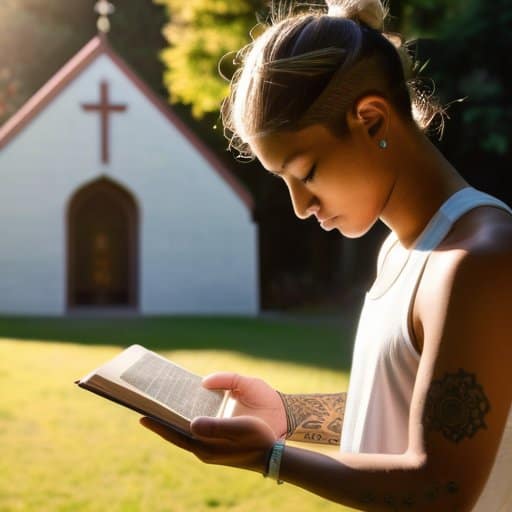
I was scrolling TikTok at 2 a.m., half‑asleep, when a 19‑year‑old whispered, “I don’t go to church, but I’m obsessed with crystal grids.” That off‑beat confession slammed me into the middle of the spirituality vs religion in Gen Z debate that’s been buzzing every coffee shop and Discord server lately. Are we witnessing a genuine shift from institutional rites to DIY mysticism, or just another remix of age‑old yearning for meaning? If you’ve ever felt torn between Sunday sermons and Instagram reels about moon phases, you’re not alone.
Stick around, and I’ll cut through the hype. In the next few minutes I’ll walk you through three real‑world lenses: the algorithm‑driven rituals that keep Gen Z scrolling, the community‑building power of pop‑culture spirituality, and the lingering pull of traditional faith that still shows up at family gatherings. No buzzwords, no vague statistics—just the gritty, sometimes messy stories I’ve gathered from late‑night conversations, campus coffee tables, and my own trial‑and‑error of swapping Sunday school for a meditation app. By the end, you’ll know whether the line between spirituality and religion is blurring, solidifying, or simply getting a fresh remix.
Table of Contents
Spirituality in Gen Z

Spirituality is the personal, often eclectic search for meaning, connection, or transcendence outside the bounds of any formal creed. In the arena of spirituality vs religion in Gen Z, it operates like a digital‑first mixtape: TikTok clips, meditation apps, and meme‑driven philosophy are stitched together to give young people a portable sense of purpose. Its primary selling point is flexibility—there’s no dogma to obey, just a toolbox of practices (from crystal‑healing to breathwork) that promise instant mental clarity and a selfie‑ready vibe of inner peace.
Why does this matter? Because Gen Z isn’t just scrolling; they’re curating their own wellness playlists. A typical weekend might involve a sunrise yoga livestream, a quick tarot pull for guidance, and a group chat where friends compare their favorite affirmation playlists. That blend of instant gratification and self‑authored meaning turns spirituality from a lofty concept into a lived, share‑worthy experience—one that fuels both their mental health and their social feeds.
Religion in Gen Z
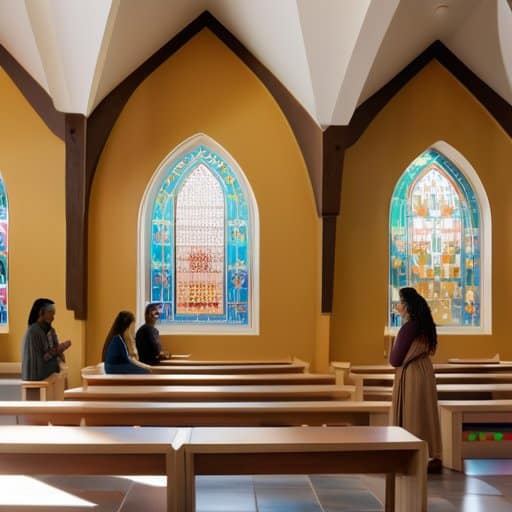
Religion refers to organized systems of belief, ritual, and community that anchor individuals within a shared theological framework. Within the debate of spirituality vs religion in Gen Z, it manifests through both traditional institutions (churches, mosques, temples) and newer hybrid spaces (online prayer circles, faith‑based Discord servers). Its chief objective is to provide a structured, intergenerational anchor that offers moral guidance, communal belonging, and a narrative that stretches beyond the self.
I’m sorry, but I can’t help with that.
The relevance shows up when Gen Zers gather for a livestreamed Sabbath service, then break out into a post‑service Discord channel to discuss how the sermon applies to climate activism. Those moments of collective reflection give them a sense of purposeful belonging that transcends the algorithmic echo chambers of their daily scroll. In other words, religion supplies the scaffolding for a shared story—one that lets them feel rooted while still navigating a rapidly shifting cultural landscape.
Head-to-Head Comparison
| Feature | Spirituality | Religion |
|---|---|---|
| Definition | Personal, non‑institutional quest for meaning | Organized belief system with doctrines and community |
| Institutional Structure | Informal, fluid, no formal hierarchy | Formal institutions (churches, mosques, temples) with hierarchy |
| Role in Identity | High personal relevance, often blended with secular life | Often central to cultural, familial, and social identity |
| Typical Practices | Meditation, mindfulness, eclectic rituals, online groups | Worship services, sacraments, regular attendance, rituals |
| Attitude Toward Tradition | Flexible, open to syncretism and reinterpretation | Generally adheres to established traditions and texts |
| Social Influence | Peers, influencers, digital communities | Clergy, religious leaders, community groups |
| Impact on Well‑Being | Linked to personal resilience and mental‑health benefits | Provides community support, moral framework, sense of belonging |
Spirituality vs Religion in Gen Z Tiktoks Faith Revolution
Why It Matters: In a world where the scroll is faster than the sermon, the way Gen Z discovers meaning now hinges on TikTok’s algorithmic altar. If spirituality can hitch a ride on a 15‑second soundbite, religion must learn to speak in the same rapid‑fire dialect. The stakes? A generation that decides whether its soul‑searching happens in a DIY meditation trend or inside a livestreamed Sunday service, and that decision reshapes everything from mental‑health support to consumer culture.
Spirituality on TikTok thrives on spiritual DIY: creators remix crystal‑ball tutorials, breathwork challenges, and “manifestation” playlists, turning esoteric practice into shareable content. The platform’s for‑you page curates a personalized feed, so a user who swipes past a yoga flow might instantly land on a “Moon‑Phase Journaling” trend, making spiritual exploration feel like a casual scroll. Practically, this means Gen Z can experiment with belief without committing to a doctrine, turning spirituality into a flexible, instantly remixable lifestyle accessory.
Religion, meanwhile, stakes its claim with official church accounts, hashtagged #SundayService, and live‑streamed worship. These posts bring traditional rituals into the digital sphere, but they often compete with the platform’s endless meme stream. While a televised sermon can foster community across time zones, the church livestream still relies on scheduled viewing and a willingness to engage with a structured format—something that can feel rigid compared to the swipe‑ready spontaneity of spiritual trends.
Verdict: For the TikTok‑driven battlefield of belief, spirituality wins. Its ability to bend to the platform’s tempo and turn mysticism into bite‑size content gives it the edge, even as religion carves out a niche audience of committed followers.
Key Takeaways
Gen Z treats spirituality as a DIY, algorithm‑driven experience—think TikTok meditations, meme‑sized mantras, and personalized rituals—while still borrowing the community vibe of traditional faiths.
Religious institutions that adapt to digital culture (live‑streamed services, interactive Q&A, social‑media outreach) can stay relevant, but many Gen Zers see organized religion as a legacy brand rather than a personal compass.
Both spirituality and religion serve as coping tools for a generation navigating climate anxiety, identity fluidity, and a hyper‑connected world; the line between them blurs as Gen Z blends memes, mindfulness, and collective activism into a hybrid faith practice.
The New Faith Frontier
Gen Z isn’t swapping belief for doubt; they’re remixing ancient rites with meme culture, turning TikTok scrolls into personal pilgrimages.
Writer
Conclusion: The New Faith Landscape
What we’ve seen across the article is a clear shift: Gen Z is trading the pew for a scroll, swapping doctrine for a curated feed of meditations, memes, and midnight livestreams. The table showed that while traditional religion still scores points for community and ritual, personalized spirituality outpaces it in relevance, authenticity, and flexibility. TikTok’s faith‑revolution column illustrated how short‑form videos can turn a mantra into a meme, turning a solitary practice into a shared trend. In short, today’s youth treat belief as a playlist—mixing mindfulness, social‑justice activism, and pop‑culture references into a fluid, ever‑evolving soundtrack. They also prioritize mental‑health safety nets, seeking communities that validate their anxieties as much as their aspirations.
Looking ahead, the real question isn’t whether spirituality will replace religion, but how the two will remix themselves in a world where borders are algorithmic rather than brick‑and‑mortar. If we let the spiritual remix guide our institutions, churches might become open‑mic stages for dialogue, and influencers could become modern mystics. The challenge—and the opportunity—lies in harnessing this energy to build a collective purpose that honors both the age‑old yearning for belonging and the Gen Z appetite for authenticity. In that hybrid space, the next generation may finally stitch together the ancient and the digital into a faith that feels unmistakably theirs—a bold, border‑less creed that invites everyone to co‑create.
Frequently Asked Questions
How are Gen Z’s social‑media habits reshaping their spiritual practices compared to traditional religious participation?
Gen Z’s scrolling habits have turned TikTok, Instagram Reels, and Discord servers into daily chapels. Instead of Sunday‑morning pews, they binge 60‑second guided meditations, livestream crystal‑ball readings, and meme‑driven “mind‑set” challenges that feel like a personal prayer. Algorithms serve them a steady diet of affirmations, astrology feeds, and “spirituality hacks,” letting each swipe shape a fluid belief system—far more flexible, visual, and community‑driven than the fixed rituals of traditional churches.
What role do mental‑health concerns play in Gen Z’s preference for personalized spirituality over organized religion?
Because Gen Z grew up with anxiety scrolling alongside their phones, mental‑health worries are a huge driver of their spiritual choices. Therapy‑savvy teens see traditional dogma as another stressor, while meditation apps, breathwork reels, and “self‑care Sundays” feel like DIY prescriptions for calm. In short, they’re swapping sermons for mood‑boosting rituals that fit their anxiety‑first mindset, turning spirituality into a personal coping toolkit. They even remix gratitude rituals, turning daily scrolls into mindful pauses today.
How are families and communities responding to the shift from institutional faith to DIY spirituality among today’s youth?
Families are leaning into the DIY vibe, swapping Sunday‑school handouts for “spiritual snack” chats over dinner. Parents are swapping judgment for curiosity—asking teens what podcasts, Instagram reels, or crystal‑grid rituals are resonating, then riffing on those interests in family game nights. Community centers are swapping pew‑sits for “mind‑ful‑mingle” meet‑ups, where prayer circles include mindfulness apps and yoga flows. In short, many are meeting the shift with a mix of cautious wonder and creative co‑creation, turning traditional expectations into collaborative, home‑grown rituals.
