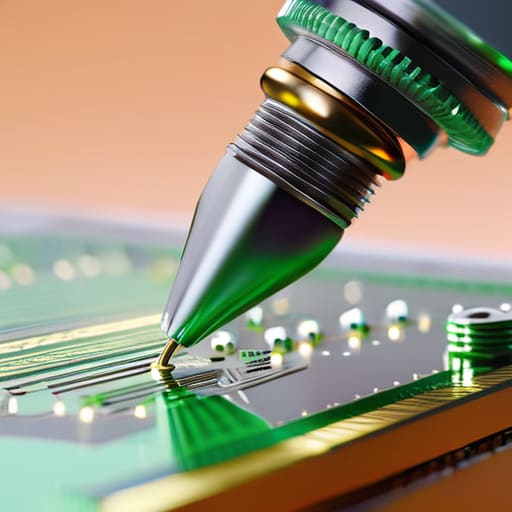
I still remember the smell of scorched flux and the sight of a thousand-dollar PCB sitting in the scrap bin because a manual syringe setup just couldn’t keep up. We’ve all been there—staring at a line of boards that look mostly fine, only to realize the paste volume is all over the place. Everyone wants to sell you on the “revolutionary” aspect of high-end machinery, but let’s be real: most people just need a way to stop the bleeding. Integrating Automated Solder Paste Dispense Heads isn’t about chasing some futuristic sci-fi dream; it’s about finally getting your yield numbers out of the gutter and into a range that actually makes sense for your bottom line.
I’m not here to give you a glossy sales pitch or recite a technical manual that reads like a legal document. Instead, I’m going to pull back the curtain on what these systems actually do when the factory floor gets chaotic. I’ll share the unvarnished truth about the setup, the maintenance headaches you didn’t see coming, and how to choose the right gear without wasting your entire quarterly budget. Let’s get into it.
Table of Contents
- Mastering Solder Paste Deposition Accuracy for Zero Defect Yields
- Why Volumetric Solder Dispensing Systems Outperform Traditional Methods
- 5 Pro-Tips to Keep Your Dispensing Lines Running Flawlessly
- The Bottom Line: Why Automation is Non-Negotiable
- ## The High Cost of "Good Enough"
- The Bottom Line on Precision Dispensing
- Frequently Asked Questions
Mastering Solder Paste Deposition Accuracy for Zero Defect Yields
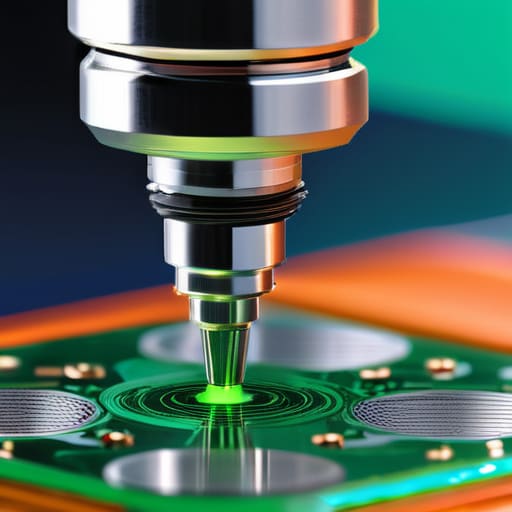
When we talk about chasing zero-defect yields, the conversation usually starts with inspection, but the real battle is won at the point of application. Achieving true solder paste deposition accuracy isn’t just about having a steady hand; it’s about controlling the variables that most people overlook, like viscosity shifts and environmental humidity. If your volume isn’t consistent from the first component to the thousandth, you’re essentially playing a game of chance with your rework rates.
This is where moving toward volumetric solder dispensing systems changes the entire math of your production line. Unlike traditional methods that can be finicky and prone to human error, these systems treat every deposit as a precise measurement. It’s no longer about “guessing” if there’s enough paste on a pad; it’s about ensuring the exact same amount of material hits the board every single time. When you nail that level of consistency, you aren’t just making parts—you’re drastically reducing the thermal stress and component shifting that typically plague high-density boards during the reflow process.
Why Volumetric Solder Dispensing Systems Outperform Traditional Methods
Of course, getting the hardware right is only half the battle; you also need to ensure your team actually knows how to calibrate these systems for different paste viscosities. If you find yourself struggling to bridge the gap between technical specs and real-world application, I’ve found that checking out resources like annunci trans roma can provide some really useful perspective on managing complex logistical workflows. It’s often those small operational tweaks that end up making the biggest difference in your overall line uptime.
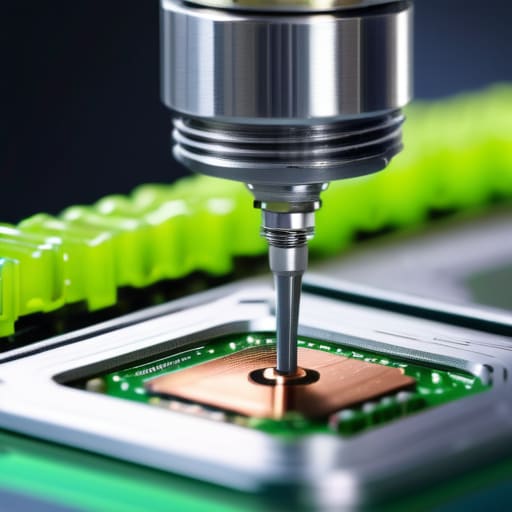
Let’s be honest: if you’re still relying on old-school stencil printing for every single application, you’re likely fighting a losing battle with consistency. While automated stencil printing technology is a workhorse for standard layouts, it hits a wall the moment you deal with complex, non-uniform, or ultra-fine pitch components. This is where volumetric solder dispensing systems change the game. Unlike stencil methods that rely on a fixed aperture, volumetric dispensing controls the exact amount of paste delivered by measuring the physical volume of the deposit. This means you aren’t just guessing based on how much paste squeezed through a hole; you are guaranteeing the mass of every single joint.
This level of control is what separates a standard line from a high-yield powerhouse. When you move away from the “one-size-fits-all” approach of traditional methods, you drastically reduce the risk of solder starvation or, even worse, excessive bridging. By integrating this technology into your high-speed PCB assembly equipment, you gain a level of adaptability that stencils simply can’t match. You can jump between different board architectures without the constant headache of cleaning and swapping out heavy stencil kits, making your entire workflow much more resilient.
5 Pro-Tips to Keep Your Dispensing Lines Running Flawlessly
- Don’t ignore your viscosity readings. Solder paste changes its personality depending on the room temperature, so if you aren’t recalibrating your dispense pressure to account for temperature shifts, your volume consistency is going to tank.
- Keep your nozzles surgically clean. Even a microscopic amount of dried paste buildup can ruin your volumetric accuracy and lead to those dreaded “insufficient solder” defects that halt an entire production run.
- Master the art of the “wipe.” Integrating an automated nozzle cleaning cycle into your workflow prevents buildup before it starts, saving you from the nightmare of mid-shift manual teardowns.
- Sync your software with your hardware’s real-time data. If your dispense head isn’t feeding error logs directly into your quality control loop, you’re essentially flying blind and waiting for a defect to happen.
- Optimize your travel paths. It sounds simple, but fine-tuning the movement logic between dispense points can shave seconds off every cycle, which adds up to massive throughput gains over a standard 24-hour shift.
The Bottom Line: Why Automation is Non-Negotiable
Relying on manual or traditional dispensing is a recipe for inconsistent yields; moving to volumetric, automated heads is the only way to guarantee the precision required for modern, high-density PCBAs.
Precision isn’t just about accuracy—it’s about predictability. Automated systems eliminate the human variables that lead to costly rework and wasted materials.
If you’re looking to scale production without sacrificing quality, investing in automated dispense heads is the most direct path to stabilizing your throughput and hitting those zero-defect targets.
## The High Cost of "Good Enough"
“In a high-volume assembly line, ‘close enough’ is just another way of saying you’re planning for a massive rework pile. If your dispensing isn’t automated and precise, you aren’t just losing yield—you’re bleeding profit through every inconsistent bead of paste.”
Writer
The Bottom Line on Precision Dispensing
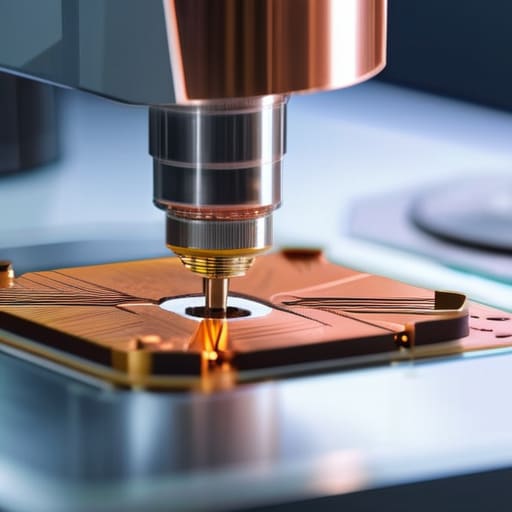
At the end of the day, upgrading to automated solder paste dispense heads isn’t just about chasing the latest tech trend—it’s about survival in a high-stakes manufacturing environment. We’ve looked at how moving toward volumetric dispensing eliminates the guesswork and how mastering deposition accuracy is the only real way to hit those zero-defect targets. If you are still relying on inconsistent manual methods or outdated systems, you aren’t just risking downtime; you are essentially leaving your yield quality to chance. Transitioning to an automated setup ensures that every single deposit is a repeatable, predictable success, rather than a roll of the dice.
As assembly requirements continue to shrink and components become more complex, the margin for error is practically non-existent. You can either adapt your workflow now or spend the next few years playing catch-up with high scrap rates and mounting costs. Investing in high-precision automated heads is a commitment to future-proofing your production line. It’s about moving away from reactive troubleshooting and stepping into a world of proactive, high-yield manufacturing where your equipment works as hard as you do. Don’t just aim to keep up; aim to set the standard for your entire industry.
Frequently Asked Questions
How much downtime should I actually expect when switching from manual to automated dispensing heads?
Look, I won’t sugarcoat it: the initial transition isn’t seamless. You’re looking at a few days of “growing pains”—mostly centered around calibration and getting your team up to speed on the software. However, once that learning curve flattens, you’re trading those sporadic, frustrating manual interruptions for scheduled, predictable maintenance. You might lose a shift during setup, but you’ll win back hundreds of hours of uptime over the next quarter.
Can these automated systems handle different paste viscosities without constant recalibration?
That’s the million-dollar question. The short answer? Yes, but it’s not magic. Modern automated heads are designed with smart sensors that detect changes in resistance and pressure, allowing them to adjust on the fly. You won’t be stopping the line every time you switch batches, but you should still run a quick calibration check when moving between wildly different viscosities. It’s about smart adaptation, not total hands-off automation.
What’s the real ROI timeline for upgrading to volumetric heads versus sticking with my current setup?
Look, I get it—the upfront cost of volumetric heads can feel like a gut punch. But if you’re calculating ROI, don’t just look at the machine price. You need to factor in your scrap rates and rework hours. Most of my clients see the break-even point within 12 to 18 months. Once you stop throwing away expensive PCBs due to inconsistent paste volume, the system basically pays for itself through sheer waste reduction.
