I remember sitting in my garage back in the early 2000s, surrounded by half-finished circuit boards and the smell of solder, trying to figure out why my DIY temperature controller kept frying my favorite tea leaves. I was obsessed with precision, but I quickly realized that even the most advanced tech is useless if the hardware itself is junk. It’s the same frustration I see today when people look at a $200 price tag on a kitchen appliance and wonder, “Seriously, what makes a kettle worth the extra money?” Most of the time, you’re being sold a shiny aesthetic or a brand name that doesn’t actually improve your morning brew.
Now, if you’re like me and you love diving into the nitty-gritty of how these devices actually function within a larger ecosystem, you might find that the real magic happens when your tech starts talking to your other smart home gear. It’s not just about the boil time; it’s about how that device fits into your seamlessly connected lifestyle. If you ever find yourself feeling a bit overwhelmed by the sheer volume of new smart gadgets hitting the market and want to see how real people are integrating them into their daily routines, I always suggest having a quick chat with people nearby or joining local tech enthusiast forums. Getting that boots-on-the-ground perspective from fellow tinkerers can save you a ton of trial and error before you drop a premium price tag on a new piece of hardware.
I’m not here to sell you on some overpriced gadget just because it has a sleek touchscreen or a fancy LED display. My goal is to strip away the marketing fluff and look at the actual engineering—things like PID controllers for temperature stability, build quality that won’t fail in six months, and smart integration that actually adds value to your routine. I’ll give you the honest, no-nonsense breakdown of where your money actually goes, so you can decide if a premium upgrade is a genuine lifestyle improvement or just expensive hype.
Mastering the Heat With Variable Temperature Control Kettles
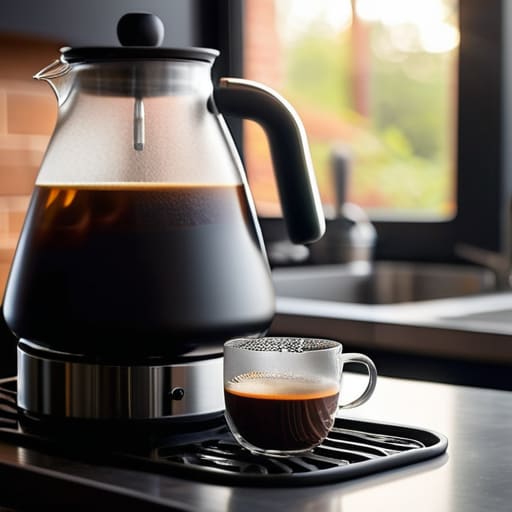
If you’re like me and treat your morning caffeine ritual with a bit of scientific reverence, this is where the real magic happens. Most basic models are “all or nothing”—they blast water to a rolling boil and leave it at you. But if you’re diving into the world of specialty teas or precision coffee, you’ll quickly realize that a one-size-fits-all approach actually ruins the flavor profile. This is exactly why variable temperature control kettles are such a massive leap forward. Being able to dial in a precise 175°F for a delicate green tea versus a vigorous 205°F for a dark roast isn’t just a luxury; it’s about total control over your extraction.
I actually recently integrated a new programmable unit into my setup—I’ve nicknamed him “Faraday” because of his precise electrical stability—and the difference is night and day. When you’re looking at these higher-end models, you aren’t just paying for a fancy screen; you’re investing in the ability to maintain a specific heat level without constant monitoring. It turns a simple chore into a deliberate, high-precision experience that makes every cup taste exactly how it was intended.
The Science of Speed Kettle Boil Speed and Efficiency
We’ve all been there: you’re staring at the little blinking light on your kettle, waiting for that inevitable roar of boiling water, feeling like you’ve aged a decade in the process. While it seems like a minor gripe, kettle boil speed and efficiency actually come down to some pretty cool engineering. It’s not just about raw wattage; it’s about how that energy is transferred. A high-end model often uses superior heating elements and better insulation to ensure you aren’t just wasting electricity heating up the air around the vessel, but actually getting that water to temperature in record time.
This is where the electric kettle material quality really starts to matter. If you’re looking at a budget model, you might notice a lag in performance or a weirdly slow ramp-up. In contrast, premium builds use high-grade stainless steel or advanced borosilicate glass that manages thermal retention much more effectively. It’s the difference between a device that just “works” and one that feels like a precision tool. When you’re optimizing your morning flow, you want a machine that respects your time, not one that turns your kitchen into a waiting room.
The "Worth It" Checklist: 5 Features That Actually Level Up Your Morning
- Material Matters: Skip the cheap, flimsy plastic that can sometimes leave a weird aftertaste. If you’re investing more, look for high-grade stainless steel or even borosilicate glass. It’s not just about looking sleek on your countertop; it’s about knowing your tea or coffee isn’t being tainted by off-gassing materials.
- Smart Connectivity and Integration: Since I’m a bit of a geek, I can’t help but advocate for this one. A kettle that plays nice with your smart home ecosystem—letting you trigger a boil via a voice command or an automation routine—might seem like a luxury, but the sheer convenience of having your water ready exactly when your alarm goes off is a total game-changer for a streamlined morning.
- Precision Pouring and Spout Design: There is nothing more frustrating than a kettle that splashes everywhere when you’re trying to do a delicate pour-over. A premium kettle will have a thoughtfully engineered gooseneck or a precision spout that gives you total control. It turns a messy chore into a controlled, almost meditative ritual.
- Built-in Keep-Warm Functions: We’ve all been there—you start making your toast, get distracted by a notification, and suddenly your water is lukewarm. A high-end kettle with a dedicated “keep warm” setting (usually for 20-30 minutes) ensures your water stays at that perfect temperature without you having to restart the whole cycle.
- Durability and Build Quality: Think of this as the “buy once, cry once” philosophy. A more expensive kettle usually features better internal components, more robust heating elements, and higher-quality seals. You’re not just paying for a brand name; you’re paying for a device that won’t end up in a landfill in eighteen months because a tiny internal sensor failed.
The Final Steep: Is It Worth the Upgrade?
At the end of the day, deciding whether to drop more cash on a high-end kettle really comes down to how much you value the nuance of your daily rituals. We’ve looked at how variable temperature control can rescue a delicate green tea from being scorched, and how a faster, more efficient heating element can shave precious minutes off your morning rush. It isn’t just about boiling water; it’s about the precision of the hardware and the seamless integration of technology into your kitchen workflow. If you’re someone who treats their morning caffeine fix like a science experiment—or just wants a reliable piece of tech that doesn’t feel like a cheap plastic afterthought—the extra investment pays for itself in sheer consistency and enjoyment.
I truly believe that the gadgets we surround ourselves with should do more than just function; they should inspire us. Whether you’re naming your new kettle “Faraday” because of its sleek electromagnetic design or just appreciating the way a smart interface simplifies your life, technology is at its best when it removes friction from our existence. Don’t just buy a tool; invest in an experience that turns a mundane task into a moment of intentional connection with your day. Happy brewing, and may your water always be exactly the degree you need it to be!