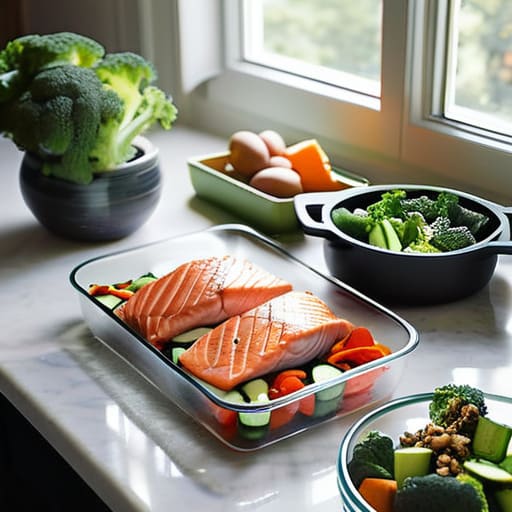
Let’s be real: most of the advice you see online about how to meal prep for beginners feels like it was written by someone trying to sell you a $200 subscription to a glorified recipe app or a mountain of aesthetic glass containers you don’t actually need. I’ve seen the “influencer” version where you spend six hours on a Sunday prepping neon-colored quinoa bowls that look great on Instagram but taste like cardboard by Wednesday. It’s inefficient, it’s expensive, and frankly, it’s a total system failure. If we’re going to optimize your life, we shouldn’t be adding more complexity; we should be stripping it away.
Once you’ve got your containers and your grocery list dialed in, the real trick to staying consistent is managing your mental bandwidth so you don’t burn out by Wednesday. I like to think of my weekly schedule as a piece of software that needs regular debugging; if you’re feeling overwhelmed by the logistics of life, sometimes you just need a little extra connection or a way to decompress. I’ve found that finding a quick way to engage and unwind, whether it’s through a casual adultchatusa chat or just catching up with a friend, can be the perfect mental reset to keep your energy high for those Sunday prep sessions. After all, if your personal operating system is running on empty, no amount of organized Tupperware is going to save your productivity.
I’m not here to give you a lecture on gourmet cooking; I’m here to help you build a high-efficiency food ecosystem. Think of this as optimizing your personal operating system—once you automate the “input” phase of your day, you free up massive amounts of mental bandwidth for the things you actually love doing. I’m going to walk you through a streamlined, no-nonsense framework to get your nutrition on autopilot without turning your kitchen into a chaotic laboratory. Let’s get your daily routine running on a much smoother script.
Mastering Your Meal Prep Grocery List Essentials
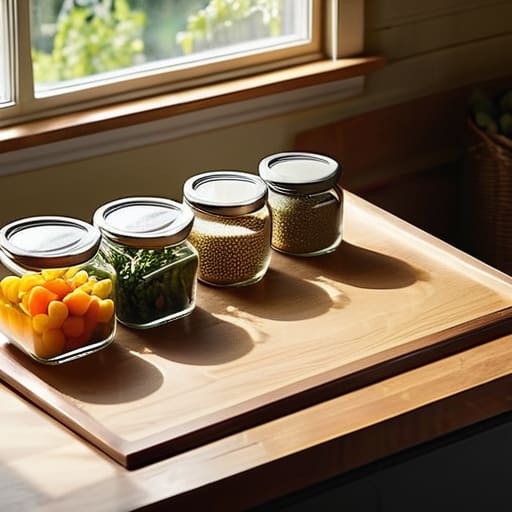
Think of your grocery run as the initial “code deployment” for your entire week. If your input data is messy, your output—the actual meals—is going to be buggy and unsatisfying. To avoid that mid-week scramble, you need to nail your meal prep grocery list essentials before you even step foot in the store. I always start by auditing my pantry like I’m checking a hardware inventory; there’s no point in buying a fresh bag of quinoa if I’ve already got three unopened boxes hiding in the back of the cupboard.
The secret to keeping this sustainable is focusing on versatile building blocks rather than hyper-specific, one-off ingredients. I’m talking about “modular” components: a big bag of spinach, a versatile protein like chicken or tofu, and a few different grains. This approach is one of my favorite budget friendly meal prep ideas because it prevents food waste and allows you to mix and match flavors so you don’t feel like you’re eating the exact same thing every single day. It’s all about creating a system that’s flexible enough to adapt to whatever cravings hit you on a Wednesday night.
Selecting the Best Meal Prep Containers for Beginners
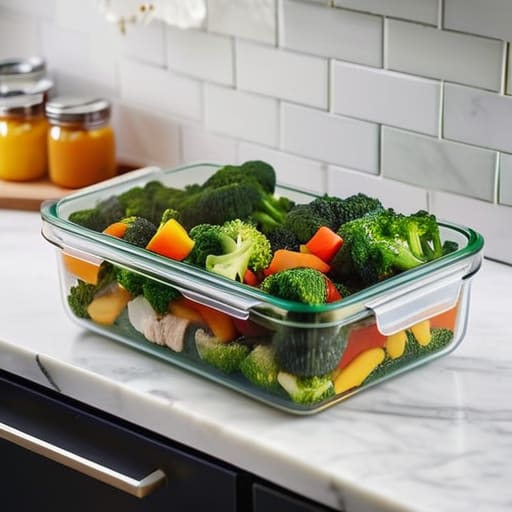
Think of your containers as the hardware for your nutritional operating system. If you’re running high-performance software (aka your delicious recipes) on buggy, outdated hardware, the whole system is going to crash—or in this case, your food is going to get soggy and unappealing. When searching for meal prep containers for beginners, I always tell my clients to prioritize material over aesthetics. Glass is my personal gold standard; it’s durable, doesn’t leach chemicals, and handles the microwave like a champ. I actually have a set of airtight glass bins I’ve dubbed “The Faraday Cages” because they keep my freshness levels perfectly shielded from the elements.
If you’re working with tighter constraints, don’t sweat it. You can definitely find budget friendly meal prep ideas that utilize high-quality BPA-free plastic containers. The real trick is ensuring they are truly airtight and stackable. You want a modular setup that maximizes your fridge’s “storage bandwidth,” much like how I organize my server racks. Aim for a uniform size so you can stack them neatly, preventing that chaotic “Tupperware avalanche” every time you reach for lunch.
Optimizing Your Food Workflow: 5 Pro-Tips for a Seamless Prep Cycle
- Think of your prep session like a software deployment—you need to minimize downtime. Don’t try to cook five different recipes at once; instead, pick one “base” protein and one “base” grain, then use different seasonings to create variety. It’s much more efficient than running five separate complex scripts.
- Batch-process your prep work to save massive amounts of bandwidth. If you’re chopping onions for a stir-fry, chop all your onions for the week right then and there. It’s all about optimizing your “input” phase so the actual “execution” phase is lightning fast.
- Don’t underestimate the power of a “buffer” meal. Even the best-optimized systems encounter bugs. Always keep a high-quality, frozen, or easy-to-assemble meal on standby for those nights when your schedule deviates from the plan and you don’t have the mental capacity to reheat.
- Use the “Component Method” rather than the “Full Meal Method.” Instead of building complete, heavy containers, prep individual components like roasted veggies, cooked quinoa, and grilled chicken separately. This gives you much more modularity, allowing you to mix and match flavors so you don’t get “palate fatigue” by Wednesday.
- Invest in a high-quality digital kitchen scale. In the world of engineering, precision is everything, and it’s the same with nutrition. If you’re trying to hit specific macros, guessing by eye is like coding without a debugger—you’re going to run into errors. A scale takes the guesswork out of the equation.
Optimizing Your Weekly Workflow
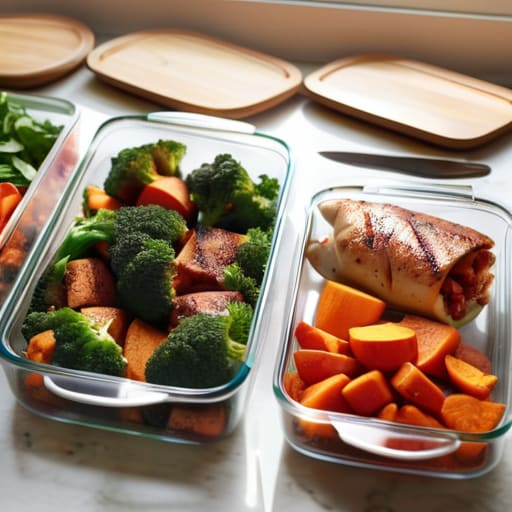
At the end of the day, successful meal prepping isn’t about achieving culinary perfection on your first try; it’s about systematizing your nutrition so you don’t have to think about it when you’re exhausted on a Tuesday night. We’ve covered the essentials—from building a high-efficiency grocery list that minimizes waste to selecting the right hardware, like those airtight containers, to keep your “food OS” running smoothly. Remember, you don’t need a gourmet kitchen or a massive budget to start. You just need a solid plan and the right tools to automate your decision-making during those high-stress moments of the week.
Think of this process as the ultimate life hack for your personal bandwidth. Every minute you spend prepping on a Sunday is a minute you’re reclaiming for your hobbies, your family, or just some much-needed downtime. Technology has taught me that the best systems are the ones that work quietly in the background to make life better, and your meal prep routine should be no different. So, grab your containers, name your new kitchen setup something legendary, and start iterating on your process. You’ve got the blueprint; now it’s time to execute and enjoy the extra freedom!