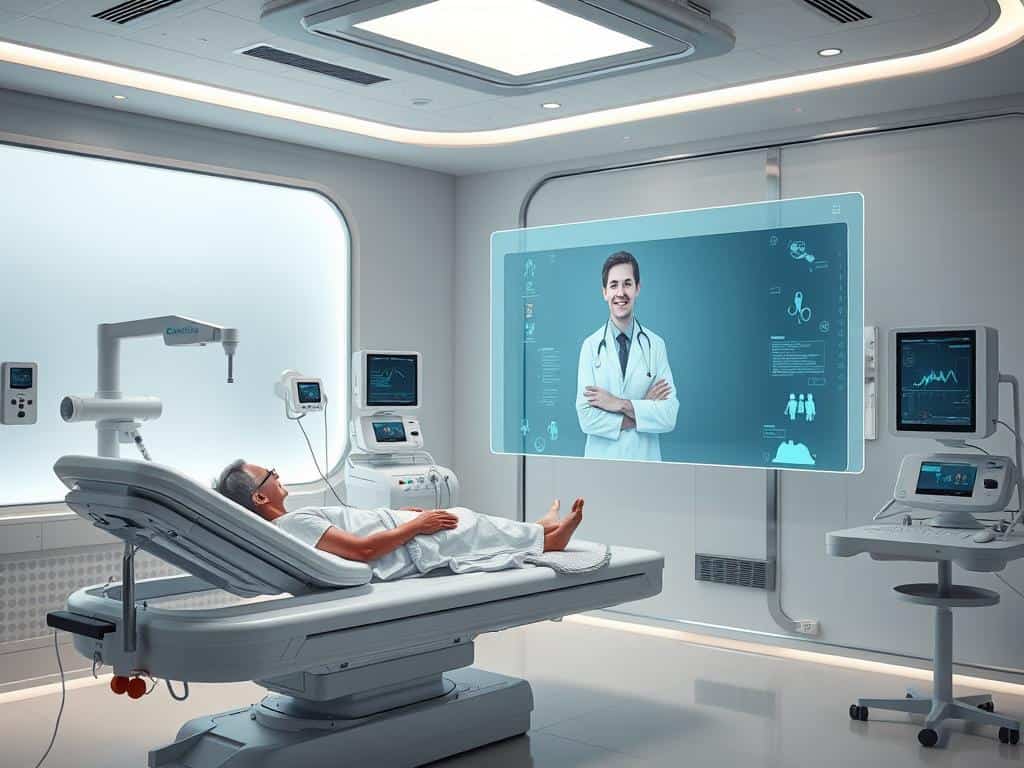
Did you know over 60% of healthcare providers reported a spike in telemedicine use since COVID-19 began? This highlights Virtual Health Care‘s huge role in modern medicine. Today, e-health services and digital consultations are key for patient care.
Telemedicine improves healthcare access and changes how we handle chronic diseases and consultations. The fast shift to digital tools starts a new healthcare era. It focuses on the patient and greatly betters health results.
Key Takeaways
- Telemedicine use has surged dramatically during the pandemic.
- Virtual health care enhances patient access to medical services.
- Digital consultations streamline the management of chronic conditions.
- The shift to e-health services ensures a more patient-centered approach.
- Rapid technological advancements are reshaping healthcare delivery.
Understanding the Impact of Virtual Health Care
The rise of virtual health care is changing how we get medical help. It lets us have access to care without worrying about where we are. Thanks to telemedicine adoption, getting medical care is easier and reaches more people. This means more folks get the help they need, no matter where they live.
Transformation in Patient Access
Virtual care is a big deal for those in remote or underserved places. Now, telemedicine closes the distance, making healthcare easy to reach with digital consultations. This change means quicker help and better health for everyone.
Technological Advancements Driving Change
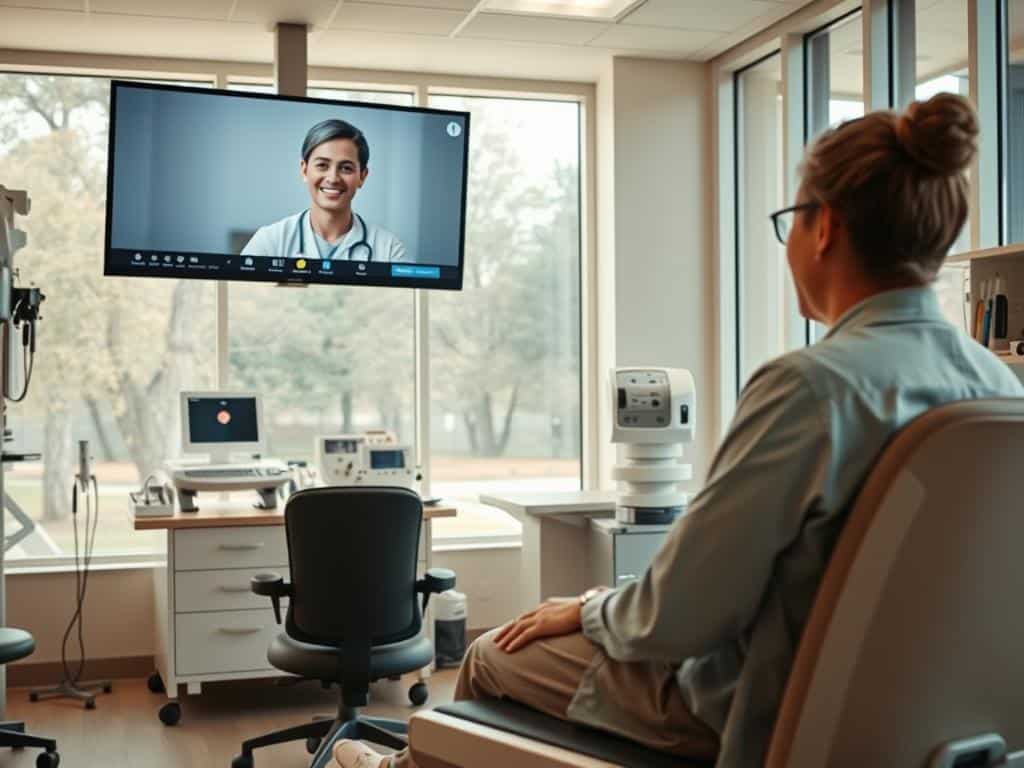
Technology is key in changing healthcare. With live video talks and easy-to-use apps, I can easily talk to doctors. Adding technology in healthcare makes things smoother for us patients. It also helps doctors collect data better, making healthcare more effective.
Remote Patient Monitoring and Its Benefits
Remote monitoring is changing how we manage long-term illnesses. With gadgets and apps, I can keep an eye on my health stats. This means I follow my treatment better. It’s great because it keeps me engaged in my health, thanks to ongoing feedback from my monitoring tools.
The Role of Telemedicine in Modern Healthcare
Telemedicine has become a key part of today’s healthcare scene. It links patients and doctors no matter where they are. It makes it simpler for me to reach out to my healthcare team and take charge of my wellbeing.
Bridging Geographical Barriers for Patients
Lots of people in far-off places struggle to get medical care. Telemedicine changes this. From home, I can now get advice and help that used to be hard to get. This makes me feel safe and more likely to ask for help when I need it.
Effective Management of Chronic Conditions
Dealing with long-term health issues is important for many, including me. With telemedicine, my health can be checked and my treatment adjusted without delay. Having regular online visits with my doctors means we can work together better on health problems like diabetes or high blood pressure. This teamwork leads to better health for me, keeping my chronic conditions in check.
Enhanced Patient Engagement through Digital Platforms
These days, staying involved in healthcare is more interactive thanks to online services. They let me take an active role in my health care journey. I can look up information and use tools that help me understand my health better. Staying connected through telemedicine means I’m more likely to follow my health plans. It also makes me feel more in charge of my health. Online mental health support helps too, making it easier to seek help without fear.
Virtual Health Care: A New Era in Medical Education
VR in healthcare has changed medical education greatly. Students now engage with clinical scenarios and anatomical models in a new way. This method makes learning more interactive and informative.
Interactive Learning Experiences via VR Technologies
With virtual reality, future medical experts dive into real-like simulations. These experiences let students delve into medical procedures and anatomy. It helps them understand complex ideas better than traditional learning does.
Training for Healthcare Professionals through Simulation
Simulation-based training has transformed healthcare education. It allows students and professionals to practice in safe environments. This experience boosts their skills and readies them for real-world challenges.
Empathy Development in Medical Training
Empathy is key in caring for patients. VR provides opportunities for trainees to understand patient conditions closely. This improves their communication and connection with patients.
Conclusion
As I think about Virtual Health Care, it’s clear that it’s changing medicine in big ways. Telemedicine makes it easier for patients to get care and improves the quality of that care. We must embrace new healthcare solutions as they come.
For Virtual Health Care to reach its full potential, doctors, lawmakers, and tech creators must work together. Solving problems will help us make telemedicine fairer and more effective. I believe we’re close to a key time where care for patients could get a lot better.
Telemedicine is shaping a bright future for medicine. By focusing on being flexible and always getting better, we can build a healthcare system that’s ready for anything. I’m excited to see how Virtual Health Care will change patient care for the better.
