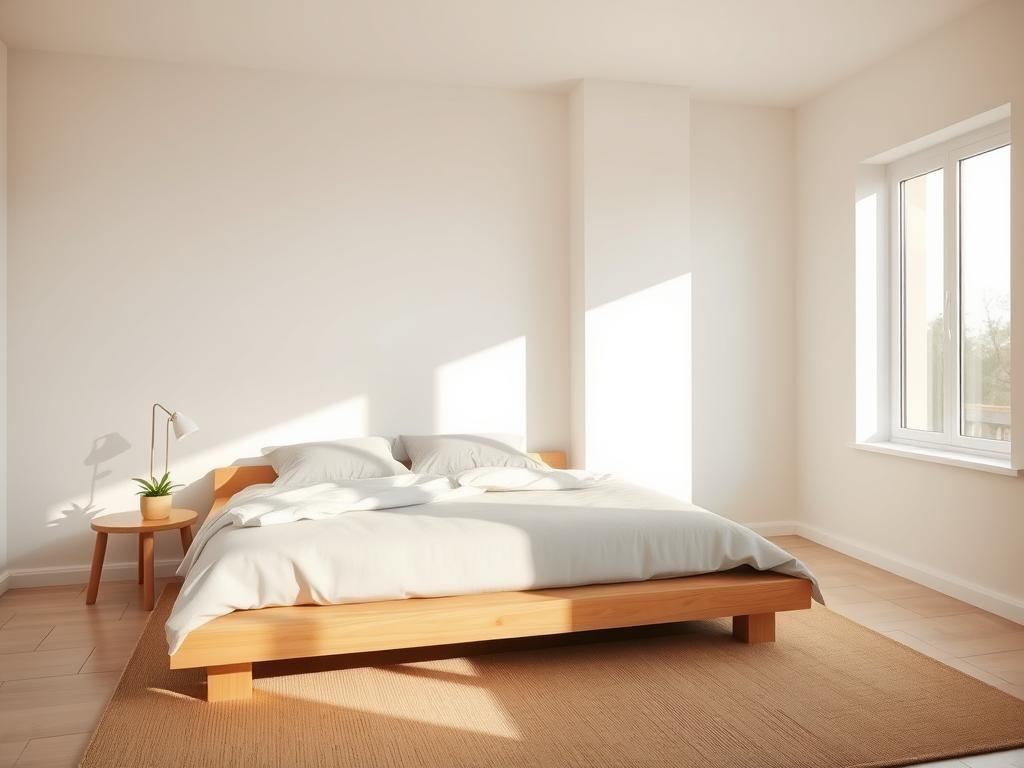
Minimalism is more than a trend; it changes lives deeply. It lets me focus on what truly matters. Decluttering my space has freed my mind and shown me a simpler life.
By living with less, I focus more on my values and what makes me happy. Simple living helps me prioritize what’s important. It frees me from too many things that distract me from real happiness.
Minimalism leads to a fulfilling life. It makes me see the beauty in simplicity. It shows the joy of living with purpose.
Key Takeaways
- Minimalism promotes intentionality in daily life.
- Decluttering creates both physical and mental space.
- A minimalist lifestyle helps prioritize values and relationships.
- Simple living fosters a greater appreciation for life’s essentials.
- Embracing minimalism can lead to increased happiness and fulfillment.
Understanding Minimalism and Its Benefits
Minimalism is about choosing to live simply and focus on what’s important. It means removing things that distract us from our values like relationships and personal growth. What is minimalism? It’s not about having nothing. Instead, it’s about having more by owning less. This brings a more significant meaning to our lives.
What is Minimalism?
Exploring minimalism has changed how I see life. It encourages living with less but experiencing more. Minimalism makes us value experiences over things. It helps clear the mind from clutter, allowing us to concentrate on what we love and improve our relationships.
Psychological and Emotional Benefits of Minimalism
Living with less stuff makes me feel better emotionally. Throwing out clutter can make your mind clearer and lower anxiety. Minimalism isn’t just physical. It’s also about simplifying your thoughts and focusing on what matters. This simpler mindset helps me connect with my true self and boosts my happiness.
How Minimalism Leads to a Simpler, Happier Life
Minimalism is a key to finding happiness. It shows us that joy doesn’t come from things, but from meaningful life parts. By valuing simplicity, we choose relationships and activities that truly enrich our lives. Embracing minimalism teaches us that living with less lets happiness and personal growth thrive.
How to Start Minimalism
Starting minimalism means thinking deeply at first. It’s key to figure out what’s really important to me. This step helps me simplify my life and make choices on purpose. With this strong base, my journey to minimalism will be rewarding.
Identifying What Matters Most in Your Life
To begin minimalism, deep self-reflection is a must. I ask myself, what makes me happy? What fits with my goals? Finding out what’s truly important helps me focus. This focus then guides my choices, letting me value experiences more than stuff.
Decluttering Your Space: Practical Steps
Using simple decluttering strategies can change my space. One way is the KonMari method, which is about keeping things that make me happy. I start with easy tasks, like tidying my closet or desk for a few minutes daily. This slow pace helps avoid feeling swamped and brings satisfaction as I make my surroundings calm.
Creating a Mindful Purchasing Habit
On this minimalist journey, being thoughtful about buying is key. I think carefully before I buy anything, considering its true value in my life. Opting to borrow or buy used items fits with my minimalist goals and helps save money. This way, I buy less on whim and focus more on what’s needed.
Implementing Psychological Minimalism
Psychological minimalism is also essential. Keeping my thoughts simple can greatly improve how I feel. Setting tech limits and practicing mindfulness clears my mind. Applying clear decision-making rules and cutting down on social media helps maintain a minimalist mindset. This way, my thoughts support a simpler, more focused life.
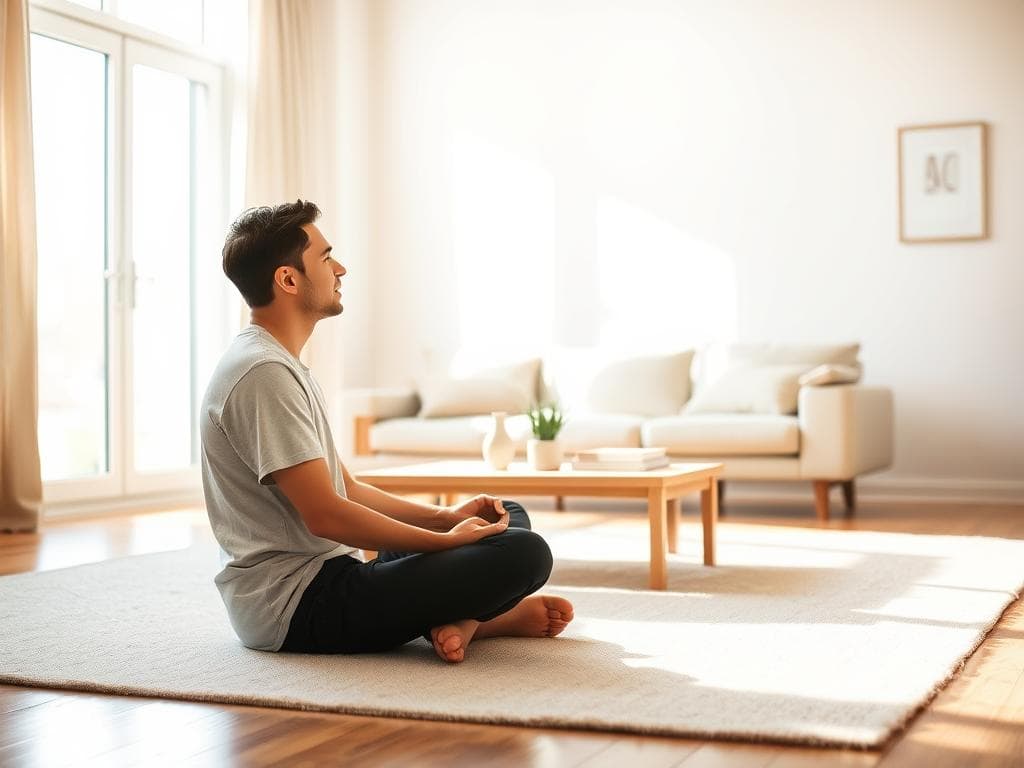
Embracing a Minimalist Lifestyle
Adopting minimalism can really change my daily life. It makes me focus on simple ways of living. These ways improve my well-being and make room for important experiences. By bringing in changes towards minimalism, I start to see life’s value without too much stuff. Just a few practical steps can make a big difference in my life.
Adopting Simple Living Practices
Simple living helps me avoid too many distractions. For example, meal prepping gives me quick, healthy options for the entire week. Having fewer clothes means I choose outfits easily. This makes mornings stress-free. Embracing minimalism teaches me that having less is actually having more. It brings sustainability and purpose to what I do.
Building Meaningful Relationships Over Materialism
In a world full of stuff, putting relationships first is vital. I choose to build connections rather than collect things. This helps me form strong bonds that last. Through shared moments and real talks, I create a place where minimalism and friendship grow. This leads to a more enriched and happy life.
Making Time for What Truly Matters
Managing time is key to living minimally. I make sure to focus on what’s important in my life. This means setting limits and making time for myself. I say no to things that don’t matter much. This way, I can spend time on activities and people that bring me joy and fulfillment.
Conclusion
As our journey through minimalism ends, let’s think about its impact. This isn’t just about being minimalist. It’s a chance to think about what’s really important in our lives. I’ve found that minimalism is more than a trend. It’s a way of life that brings real happiness and purpose.
Minimalism does more than just help us clean up. It lets us make space for things that really matter, like friendships and new experiences. By focusing on what’s essential, my life has become fuller and more meaningful.
I suggest you think about how minimalism fits into your life. What changes do you want to make? Start taking steps towards a life with more meaning and less clutter. Together, we can find joy and growth through minimalism.
