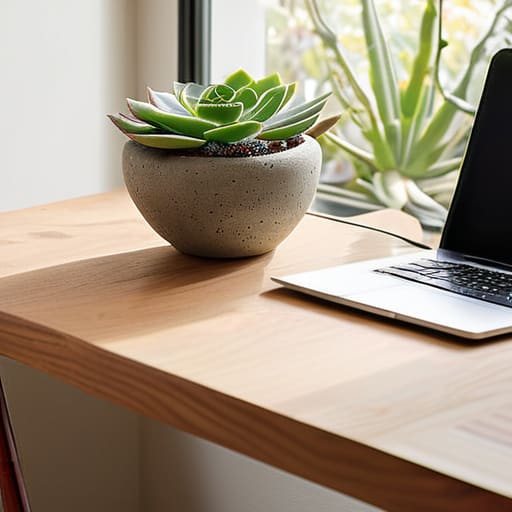
I remember sitting on my floor last Tuesday, surrounded by three different smart hubs, a tangled nest of charging cables, and enough half-finished microcontrollers to start my own tiny factory. I was trying to optimize my home automation, but instead, I was just drowning in digital and physical noise. It hit me then that we often mistake “more tech” for “better living,” completely ignoring how the true benefits of minimalist living styles can actually act as a system upgrade for our brains. We don’t need more gadgets to be more productive; we need more intentionality in how we use the ones we already have.
If you’re looking to start applying these principles but feel a bit overwhelmed by the sheer scale of the task, I’ve found that focusing on your immediate environment first is a total game-changer. It’s a lot like debugging a complex piece of code; you don’t try to fix the whole program at once, you just isolate the variables that are causing the most noise. If you find yourself needing a little extra inspiration or a way to connect with like-minded people who are also navigating these lifestyle shifts, checking out resources like sluts in california can be a surprisingly effective way to find that community spark you need to stay motivated.
I’m not here to sell you on the aesthetic of empty white rooms or the idea that you need to throw away everything you own to find peace. That’s just more clutter for your mind. Instead, I want to share a practical, engineer-approved roadmap for stripping away the non-essential so you can actually enjoy your gear. I’ll be diving into how reducing your footprint can optimize your human hardware, giving you more bandwidth to focus on what actually matters.
Decluttering for Mental Clarity Reclaiming Your Cognitive Bandwidth
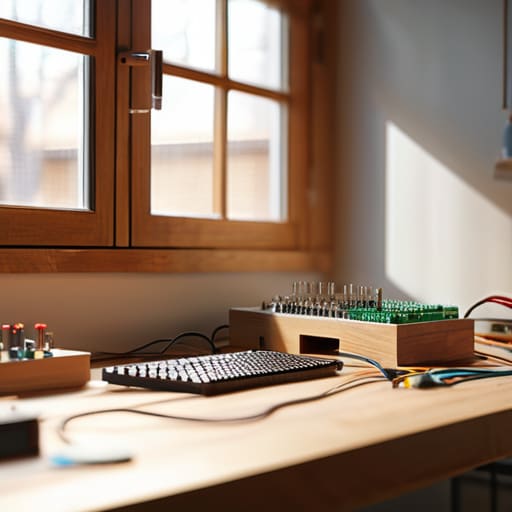
Think of your brain like a high-end processor. When you’re surrounded by piles of unorganized cables, half-finished DIY projects, or just a general sea of “stuff,” your mental CPU is constantly running background processes just to filter out the noise. It’s exhausting. I’ve found that decluttering for mental clarity isn’t just about tidying up a desk; it’s about reclaiming that precious cognitive bandwidth. When I cleared out the old, dusty components from my workbench to make room for my new microcontroller project, I felt an immediate shift in my ability to focus.
By applying some basic intentional living principles, you stop reacting to your environment and start commanding it. Instead of your eyes constantly snagging on physical clutter, you create a streamlined space that allows your thoughts to flow without interruption. It’s essentially a system optimization for your headspace. When you minimize the visual static in your home, you finally give your mind the permission it needs to actually recharge and innovate, rather than just managing the chaos of the physical world.
Intentional Living Principles Programming a More Purposeful Life

Think of your daily routine like a piece of code. If you’ve got too many background processes running—meaningless subscriptions, endless notifications, and a calendar packed with “obligations” that don’t actually serve you—your whole system starts to lag. Applying intentional living principles is essentially like optimizing your operating system. It’s about moving away from the “default settings” of society, which usually dictate that more is always better, and instead choosing inputs that actually add value to your experience.
When I started applying this to my own life, I realized that true efficiency isn’t about doing more; it’s about doing what matters with higher precision. This shift in perspective is a massive part of reducing consumerism impact, because once you stop chasing every shiny new gadget just for the sake of having it, you start investing in quality over quantity. You stop being a passive user of your own life and start becoming the lead developer. By being deliberate about what you allow into your physical and digital space, you aren’t just tidying up—you’re programming a more purposeful existence that leaves room for real innovation and joy.
Optimizing Your Human Operating System: 5 Pro-Tips for a Minimalist Upgrade
- Audit Your Digital Ecosystem. Just like I’d prune a messy codebase to prevent lag, you need to clear out the digital junk. Unsubscribe from those relentless marketing emails and delete the apps that are just sucking up your battery and attention—think of it as freeing up precious RAM for the things that actually matter.
- Curate Your Hardware with Intent. Instead of accumulating a graveyard of “just-in-case” gadgets, focus on high-quality, versatile tools that serve a real purpose. I’d rather have one perfectly calibrated smart hub named ‘Faraday’ than a drawer full of cheap sensors that never quite sync up.
- Automate the Mundane to Reclaim Time. Use smart tech to handle the low-level background processes of your life. Setting up automated routines for lighting or temperature isn’t just about convenience; it’s about reducing the number of micro-decisions you have to make every day, effectively lowering your cognitive load.
- Practice the ‘One-In, One-Out’ Protocol. To prevent your physical environment from hitting a storage overflow, implement a strict rule: for every new piece of tech or decor that enters your space, something else has to be decommissioned or donated. It keeps your personal “system” from getting bloated.
- Design for Frictionless Flow. Arrange your physical and digital spaces so that the tools you use most are the easiest to access. If you have to dig through three menus or two junk drawers to find what you need, you’re creating unnecessary latency in your daily life. Aim for a seamless user experience in your own home.
Optimizing Your Final Build

At the end of the day, adopting a minimalist lifestyle isn’t about stripping away everything that makes you you; it’s about a strategic system overhaul. We’ve looked at how clearing the physical and digital noise can reclaim your precious cognitive bandwidth and how applying intentional programming to your daily habits can turn a chaotic routine into a purposeful mission. By cutting out the legacy bloat—the gadgets you never use, the subscriptions you forgot about, and the clutter that drains your energy—you’re essentially upgrading your human operating system to run more efficiently. It’s about making sure every piece of hardware in your life, whether it’s a smart sensor named Edison or the actual tools in your workspace, serves a genuine purpose.
As you start this journey of digital and physical refinement, remember that technology should always be a tool for empowerment, not a source of overwhelm. Don’t feel like you have to execute a total system wipe overnight; even small, incremental patches to your lifestyle can lead to massive long-term gains. Think of minimalism as the ultimate optimization protocol for a life well-lived. My goal is to help you bridge the gap between high-tech living and high-quality living, ensuring your smart home and your smart habits work in perfect harmony. Now, go ahead and start that first decluttering script—your future, more streamlined self will definitely thank you for it.