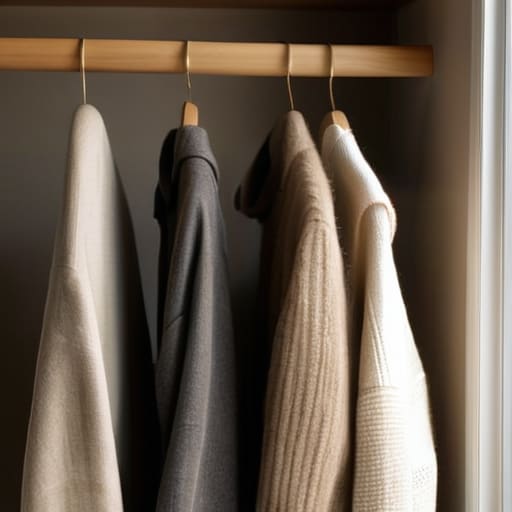
Honestly, I’m so tired of the “eco-chic” influencers telling you that building a sustainable wardrobe requires a massive bank account and a closet full of $200 organic hemp shirts. It’s a total myth that feels more like a marketing glitch than actual progress. When I first started looking into how to create a sustainable wardrobe, I felt like I was being sold a premium subscription to a lifestyle I couldn’t afford. It’s frustrating because the industry makes sustainability feel like an exclusive hardware upgrade rather than a fundamental way to optimize how we live.
I’m not here to sell you on expensive “greenwashed” brands or complicated lifestyle hacks that fall apart after a week. Instead, I want to show you how to apply a bit of engineering logic to your closet—focusing on durability, modularity, and smart curation. I’m going to share the exact, no-nonsense framework I use to streamline my own style while minimizing my footprint. We’re going to strip away the hype and focus on building a high-performance wardrobe that actually works for you in the long run.
Mastering Your Capsule Wardrobe Essentials
If you’re feeling a bit overwhelmed by the sheer volume of choices out there, I always find that leaning into curated communities can save you a massive amount of trial and error. Just like when I’m troubleshooting a new sensor array for “Newton” (my latest smart-lighting rig), sometimes you just need to see how others are navigating the same terrain to find what actually works. For instance, if you’re looking for ways to connect with people who share specific lifestyle interests or niche subcultures, exploring resources like MILF chat atlanta can be a great way to tap into those authentic social connections that help you define your own unique style and digital presence.
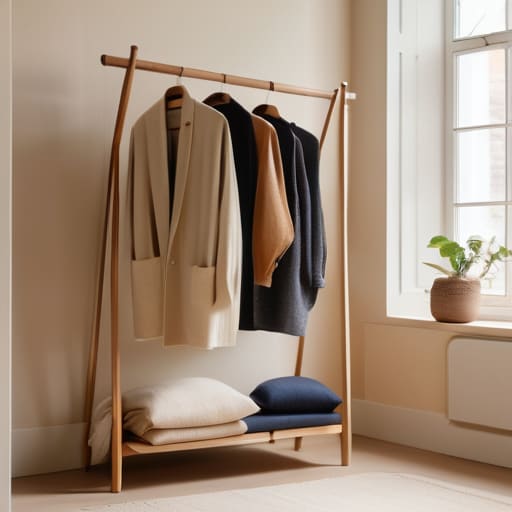
Think of your closet like a well-optimized local network: you don’t need a hundred different devices running background processes that just drain your battery; you need a few high-performance nodes that do exactly what they’re supposed to do. When I’m curating my own capsule wardrobe essentials, I look for that perfect intersection of versatility and durability. It’s about selecting a core set of pieces—think high-quality basics in neutral tones—that can be “interfaced” with one another in endless combinations. This isn’t just about minimalism; it’s about building a modular system where every single item earns its place.
To get this right, you have to look closely at the “specs” of your clothing. I always dive into a sustainable fabric guide before making a purchase, because the material is essentially the hardware of your outfit. Opting for long-lasting, natural fibers like organic cotton or hemp is like choosing high-grade components for a custom build; they handle wear and tear much better than cheap synthetics. By focusing on quality over quantity, you aren’t just upgrading your style—you’re actively minimizing your environmental footprint one smart choice at a time.
Navigating the Ethical Fashion Brands Guide
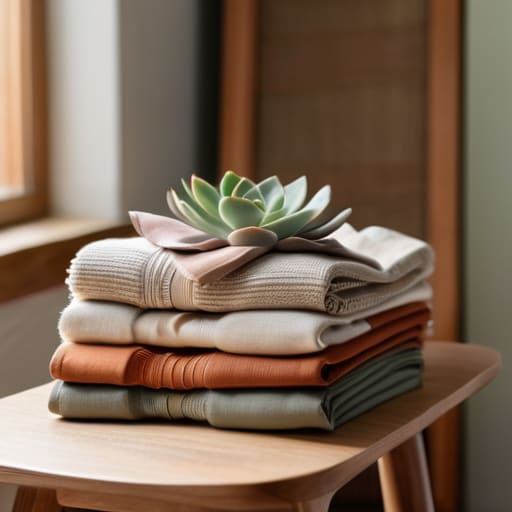
Now, once you’ve nailed down those capsule wardrobe essentials, the next logical step is deciding where your money actually goes. I like to think of this as the “hardware selection” phase of your style upgrade. Just like I wouldn’t install a buggy, unoptimized script into my smart home hub, you don’t want to invest in brands that prioritize profit over people or the planet. This is where a solid ethical fashion brands guide becomes your best friend. You want to look for companies that are transparent about their supply chains, much like how I demand open-source documentation for my custom gadgets.
But don’t get overwhelmed by the marketing jargon; a lot of it is just “glitchy” greenwashing. Instead of chasing every shiny new trend, I recommend leaning into the slow fashion movement benefits. This means prioritizing quality over quantity and looking for labels that utilize eco-friendly clothing materials like organic cotton, hemp, or Tencel. It’s about building a high-performance system of clothing that is designed to last, rather than something that’s going to end up in a landfill after three washes. It’s the ultimate lifestyle optimization.
5 Tech-Inspired Hacks to Optimize Your Closet’s Efficiency
- Treat your wardrobe like a hardware upgrade: prioritize quality over quantity. Instead of buying five cheap, low-spec shirts that will “crash” after three washes, invest in one high-performance piece built from premium, sustainable fabrics. It’s all about long-term stability, not just a quick fix.
- Run a “system audit” on what you already own. Before you even think about hitting ‘add to cart,’ look at your current inventory. I call this the inventory scan—if you aren’t wearing it, it’s just dead code taking up valuable space in your closet’s memory.
- Embrace the “Open Source” philosophy with second-hand shopping. Thrifting and vintage hunting are essentially the ultimate way to repurpose existing resources. You’re giving high-quality gear a second life instead of contributing to the demand for new, resource-heavy manufacturing.
- Focus on modularity. Just like I design my smart home modules to be interoperable, your clothes should work together. Aim for a color palette and silhouette style that allows you to mix and match effortlessly, creating dozens of “new” outfits from a minimal set of core components.
- Implement a “maintenance protocol” for your gear. We wouldn’t let our custom-built servers gather dust, so don’t let your clothes suffer either. Learning basic repair skills—like sewing a button or treating a stain—is like running regular software updates; it keeps your wardrobe running smoothly for years.
The Final Upgrade: Coding Your New Style
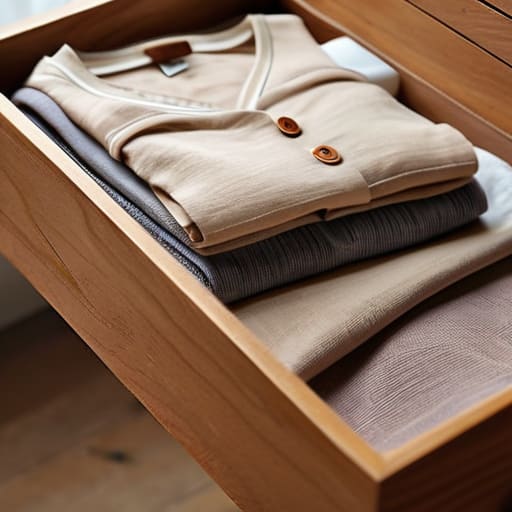
At the end of the day, building a sustainable wardrobe isn’t about achieving some impossible standard of perfection overnight; it’s about iterative improvement. Just like when I’m debugging a new script for “Ada”—my latest smart lighting controller—you don’t get everything right on the first run. You start by mastering those capsule essentials, auditing your current collection to see what’s actually functional, and then slowly integrating ethical brands that align with your values. By shifting your focus from quantity to intentionality, you’re essentially optimizing your personal ecosystem for long-term stability rather than short-term trends.
As we look toward the future, I want you to view your closet not as a static storage space, but as a dynamic part of your digital and physical lifestyle. Technology has given us the tools to be more conscious than ever before, and applying that same data-driven mindset to your fashion choices can be incredibly empowering. Don’t be afraid to experiment, swap pieces with friends, or dive deep into the tech behind sustainable textiles. We are all architects of our own lives, and by choosing quality over clutter, you are designing a future that looks as good as it feels. Stay curious, keep tinkering, and enjoy the process!