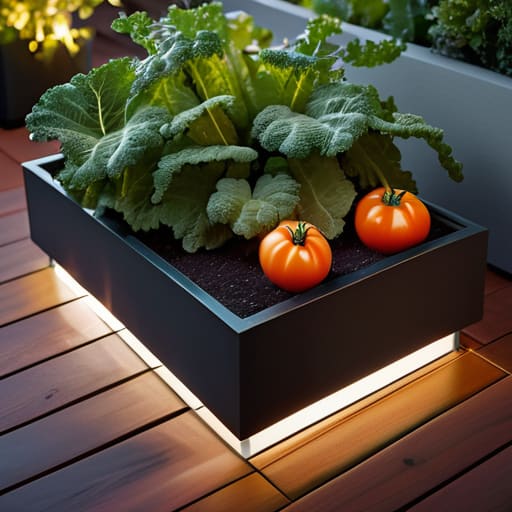
I remember standing in my backyard last spring, staring at a pile of expensive, designer ceramic pots and a “starter kit” that cost more than my first microcontroller, feeling completely defeated. I had all this gear, but my basil was looking more like a science experiment gone wrong than a lush herb garden. Most people will tell you that learning how to start a vegetable garden requires a massive backyard, a PhD in botany, or a bank account ready for high-end irrigation systems, but honestly? That’s all just noise. I’ve spent years optimizing smart homes, and I’ve realized that gardening is just another system to master—one that doesn’t need a massive budget to be successful.
Once you’ve got your seeds and your soil sorted, the next step is managing the “operating system” of your garden—the hydration. I’ve found that even the most well-planned setup can crash if you forget the watering schedule, so I always suggest looking into some automated irrigation kits to keep things running smoothly while you’re busy. If you’re feeling a bit overwhelmed by all the different sensor types and moisture monitors out there, you might find some really helpful local insights and community advice by checking out sexmodel angers to see how others are optimizing their environments. Getting that perfect balance of moisture is basically the secret sauce to making sure your leafy greens don’t just survive, but actually thrive in their new ecosystem.
In this guide, I’m stripping away the fluff and the “expert” gatekeeping to give you a blueprint that actually works. I’m going to show you how to build a resilient, efficient growing space using a bit of strategic planning and maybe even a few DIY sensors to take the guesswork out of it. We’re going to focus on high-yield basics and smart setups so you can stop worrying about whether you’re doing it “right” and start enjoying the literal fruits of your labor.
Choosing Your Hardware Raised Bed vs in Ground Gardening
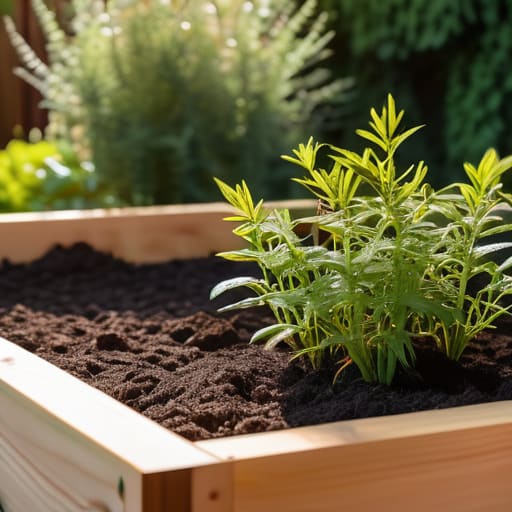
So, the first real architectural decision you’re facing is the classic debate: raised bed vs in-ground gardening. Think of this like choosing between a custom-built, modular smart home setup and a more traditional, integrated wiring system. If you go the raised bed route—which is my personal favorite for its sheer control—you’re essentially building a high-performance sandbox. You get to dictate the exact vegetable garden soil preparation parameters from day one, ensuring your nutrients and drainage are optimized without having to fight the existing ground conditions. I actually just finished building a new cedar planter for my herbs and named it “Newton” because, well, gravity and growth go hand in hand!
On the flip side, in-ground gardening is much more like an open-source project; it’s cost-effective and lets you scale up massively, but it requires a bit more “debugging” with your soil quality. You’ll need to spend more time on heavy-duty soil prep to ensure your plants aren’t struggling in compacted earth. If you’re looking for the path of least resistance to get those first harvests moving, I’d say investing in raised beds gives you that extra layer of predictability that every tech enthusiast craves.
The Best Vegetables for Beginners to Launch Your System
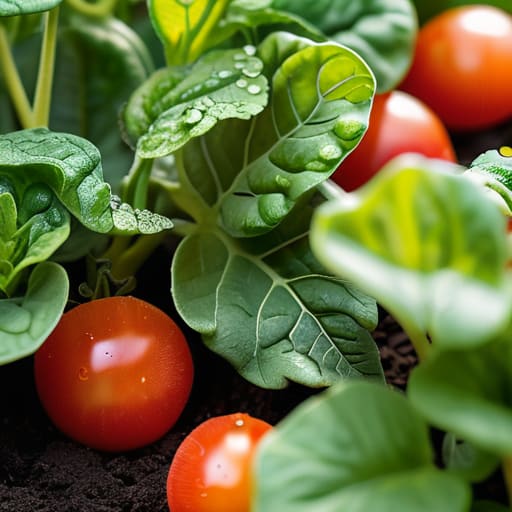
Think of your first harvest like your first coding project: you want to start with high-success, low-latency “modules” before you try to build a complex, multi-layered system. When I’m looking for the best vegetables for beginners, I always steer people toward “hardy” varieties that aren’t too sensitive to minor bugs in the system. Leafy greens like lettuce and spinach are absolute wins because they grow incredibly fast, giving you that instant gratification we all crave. If you want something more substantial, cherry tomatoes are like the reliable, open-source libraries of the garden world—they’re robust, they produce tons of fruit, and they’re surprisingly forgiving if your watering schedule for home gardens isn’t perfectly calibrated from day one.
Once you’ve picked your “software,” don’t forget the hardware optimization. I’m a big fan of integrating a little bit of companion planting for vegetables to keep things efficient. For instance, planting marigolds near your tomatoes acts like a natural firewall, providing a bit of organic pest control without needing a bunch of heavy chemical patches. It’s all about creating a self-sustaining ecosystem that works for you, rather than you working constantly for it.
Optimizing Your Garden’s Operating System: 5 Pro-Tips for Success
- Think of your soil like your hardware’s power supply—if it’s low quality, nothing else is going to run smoothly. Don’t just dig a hole and hope for the best; invest in some high-quality organic compost to ensure your plants have the “voltage” they need to thrive from day one.
- Automate your hydration or go broke. One of the biggest mistakes I see is manual watering, which is basically like trying to manage a server network with a clipboard and a pen. Grab a simple smart moisture sensor or a basic drip irrigation kit to keep your garden’s uptime at 100% without you having to babysit it every afternoon.
- Don’t ignore the “latency” of your growing season. Just like you wouldn’t run heavy software on an outdated processor, don’t try to plant heat-loving peppers in a chilly spring breeze. Check your local hardiness zone so you aren’t debugging dead seedlings when the frost hits.
- Scale your project incrementally. It’s tempting to go full “smart city” and turn your entire backyard into a farm overnight, but that’s a recipe for a system crash. Start with a few manageable raised beds—maybe name one ‘Newton’—and master those before you try to scale up to a massive backyard ecosystem.
- Monitor your telemetry. Keep a simple digital log or even just a note on your phone about when you planted what and how it reacted to the weather. Over time, this data becomes your most valuable asset, helping you troubleshoot issues and fine-tune your garden’s “code” for next season.
Cultivating Your Own High-Tech Oasis
At the end of the day, launching your first garden is a lot like deploying your first smart home server—it’s all about getting the architecture right from the start. Whether you decided to go with the controlled environment of raised beds or the classic approach of in-ground planting, the goal is the same: creating a stable ecosystem where your chosen crops can thrive. By starting with those beginner-friendly veggies we talked about, you’re essentially running a low-risk beta test for your green thumb. Don’t worry if your first harvest isn’t perfectly optimized; even the most sophisticated automated systems require a bit of iterative troubleshooting to reach peak performance.
As you move forward, I want you to remember that gardening isn’t just about the yield; it’s about the incredible connection you build between the physical world and your daily routine. Just like I feel when I finally get a custom sensor array to talk to my home hub, there is a unique, profound satisfaction in seeing something grow because of your direct input. So, grab your tools, maybe even a few soil moisture sensors to keep things interesting, and embrace the process. You aren’t just growing food; you are engineering a more sustainable, connected lifestyle one seed at a time. Happy planting!