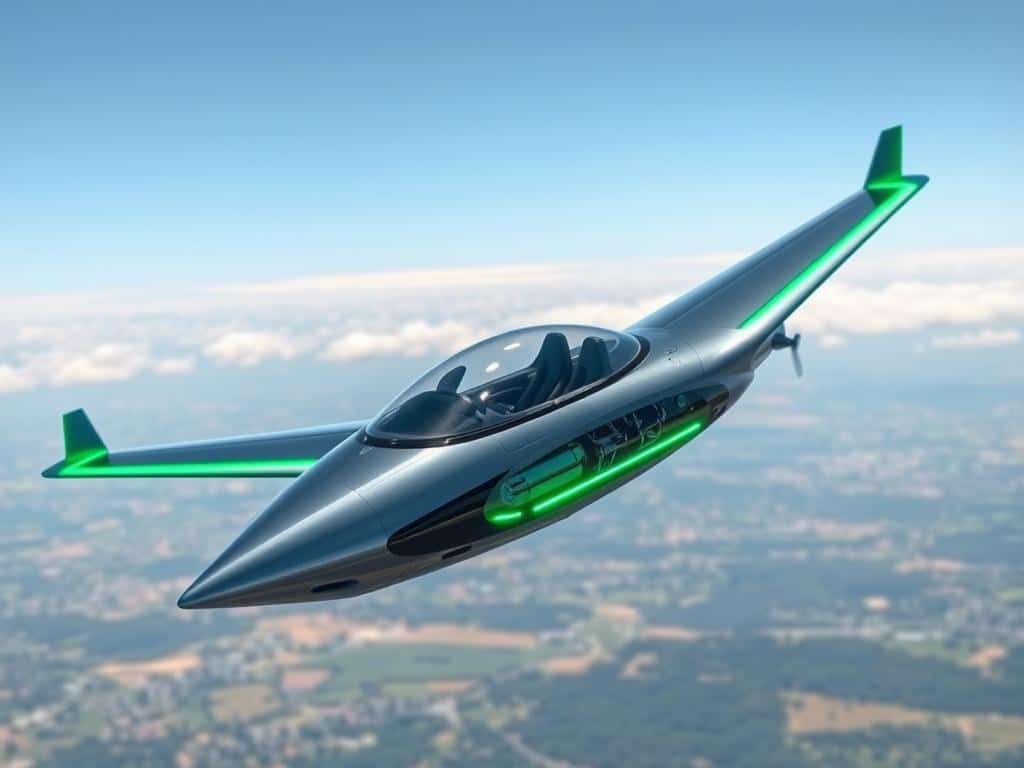
Did you know that over 70% of greenhouse gas emissions from aviation come from commercial air travel? The aviation industry is now turning to electric aircraft to reduce environmental impact. Companies like Beta Technologies and Eviation are leading the way with electric planes.
These planes aim to cut emissions, make travel quieter, faster, and cheaper. Beta’s CEO, Kyle Clark, believes these aircraft could change air travel forever.
The Pipistrel Velis Electro is the first electric aircraft certified by both European and American authorities. This achievement is a big step towards making aviation more eco-friendly. It shows how far aviation technology has advanced in recent years.
As we move towards green flight, electric aircraft mark the start of a new era in air travel. This evolution is not just exciting—it’s a major shift in how we travel by air.
Key Takeaways
- Over 70% of aviation greenhouse gas emissions stem from commercial air travel.
- Electric planes promise reduced emissions and operational costs.
- The Pipistrel Velis Electro is the first certified electric aircraft.
- Beta Technologies is at the forefront of electric aircraft innovation.
- Electric aircraft could redefine air travel with quieter and more efficient options.
The Rise of Electric Aircraft
Electric aircraft have caught my eye with their growth and importance in flying today. Looking into their history shows both challenges and successes. This technology started years ago but really took off in recent times.
Historical Development and Achievements
The start of electric flying began in the 1970s with electric model planes. A big step was in 2020 when the Pipistrel Velis Electro became the first certified electric plane. This was a big moment, showing a new era was starting.
Now, companies like Eviation and Archer Aviation are leading the way. They are changing the electric plane world fast. For example, Alice made its first flight in 2022, showing electric planes can do short trips well.
Current Developments in Electric Aviation
Leaders like Beta Technologies and Archer Aviation are making electric planes for people and goods. Beta’s planes can fly up to 250 miles on one charge. They use new designs that don’t need regular runways.
Many startups are working on bigger electric planes, aiming for official approval. Airlines and delivery services are placing big orders. This shows electric flying is on the rise, looking even better for the 2030s.
Benefits of Electric Aircraft
Electric aircraft are changing the sky. They’re not just good for the planet. They also make flying cheaper and more efficient.
Environmental Impact
Old planes pollute a lot, releasing a billion tons of CO2 every year. Electric planes, on the other hand, don’t emit anything. This makes flying greener.
Better batteries make electric planes more efficient. They also fly quieter, disturbing nature less. This move helps meet the goal of zero emissions by 2050.
Operational Advantages
Electric planes save a lot of money. They use electricity, which is much cheaper than jet fuel. This makes flying cheaper.
They also need less maintenance. This lowers costs even more. Companies like Archer are working on electric air taxis. They aim to solve traffic problems and protect the environment.
Challenges Facing Electric Aircraft
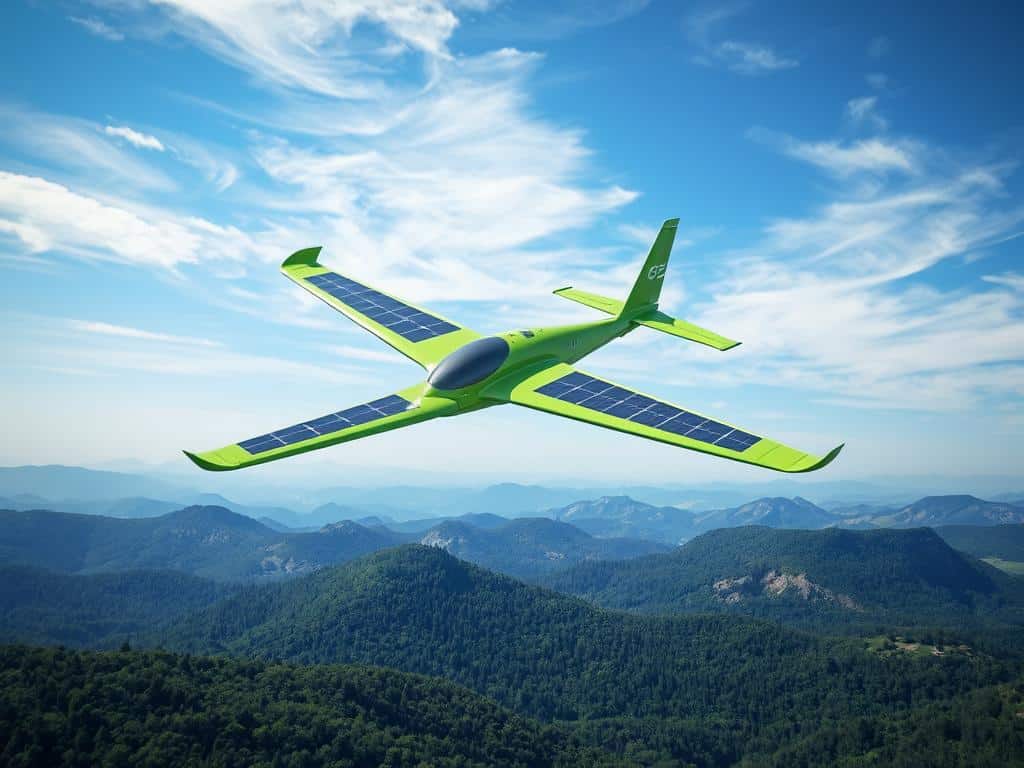
The path to making electric aircraft common is full of obstacles. New electric flight tech faces big hurdles, like rules and tech limits. These can slow down progress.
Regulation and Certification Hurdles
Meeting FAA regulations electric aircraft is a big challenge for makers. The rules set by regulatory bodies focus on aviation safety standards. New tech must be checked carefully to ensure it’s safe and reliable, like traditional planes.
This careful check can cause delays. The FAA is careful in its approval of new tech. This makes sure safety and reliability are met.
Technological Limitations
The battery limitations electric aircraft face are a big problem. Current batteries don’t have enough power for long flights. This means most electric planes can only fly short distances.
There’s a need for better batteries. They need to be lighter and more efficient. Researchers are looking at hydrogen fuel cells as a possible solution. Overcoming these tech challenges is key to electric aviation’s success.
Conclusion
The future of electric aircraft is changing the aviation world. It’s making air travel more sustainable. Electric planes use less fuel and are more efficient.
But, there are challenges ahead. We need to get past regulatory issues and improve technology. Overcoming these obstacles is key to making electric planes a reality.
Despite these challenges, there’s a lot of excitement. Airlines and makers are eager to move forward. This journey will change how we fly in the future.
